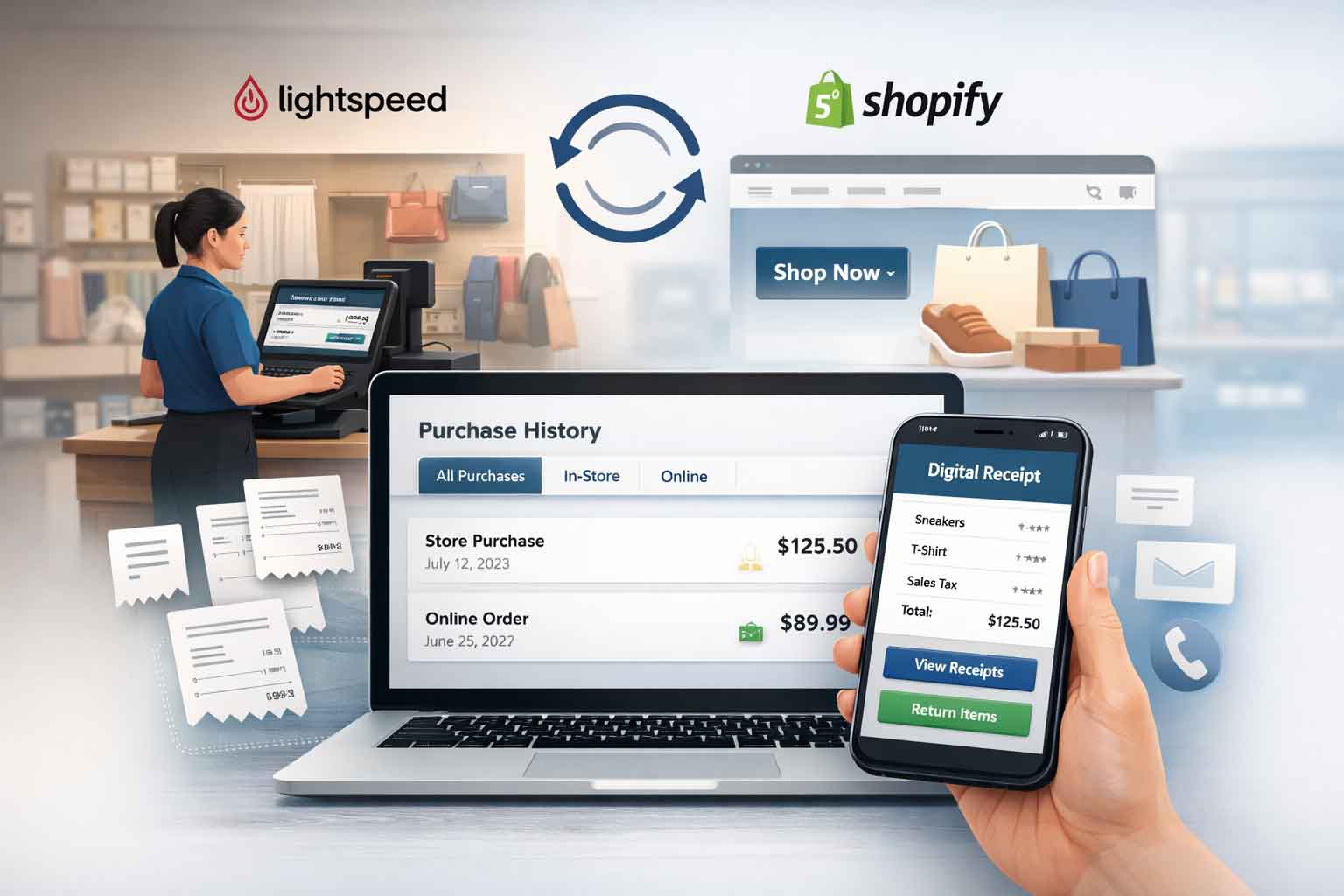
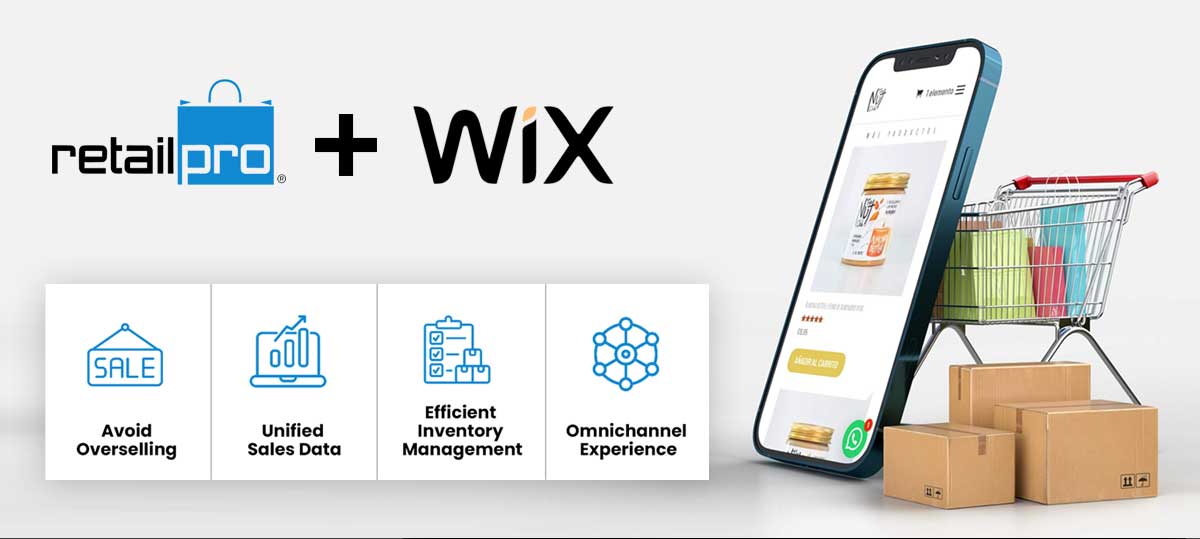
The retail landscape has irrevocably shifted. Customers no longer distinguish sharply between online and in-store shopping; they expect a seamless, consistent experience regardless of how they interact with your brand. This expectation has propelled retail Point of Sale (POS) and eCommerce integration from a desirable feature to the absolute bedrock of omnichannel success.
The Evolution of Customer Expectations
Gone are the days when a customer would patiently wait for a website to reflect in-store stock, or vice versa. Today’s shopper is accustomed to instant gratification and expects:
- Real-time Stock Availability: Knowing immediately if an item is in stock, whether Browse online or physically in a store.
- Flexible Fulfillment Options: The ability to buy online and pick up in-store (BOPIS), return online purchases in-store (BORIS), or even have an in-store item shipped to their home.
- Consistent Pricing and Promotions: No surprises or discrepancies between online offers and in-store deals.
- Personalized Experiences: Brands that recognize their purchasing history and preferences, regardless of the channel used.
Integration: The Bridge to Omnichannel
Retail POS and eCommerce integration is the technological bridge that connects these disparate channels, creating a unified ecosystem. It’s not just about syncing inventory; it’s about harmonizing every aspect of the customer journey.
Key Reasons Why Integration is the Future:
- Unified Customer View: Integration allows you to collect and consolidate customer data from all touchpoints – online purchases, in-store transactions, loyalty program interactions. This holistic view empowers you to personalize marketing efforts, offer relevant recommendations, and build stronger customer relationships.
- Elimination of Silos and Inefficiencies: Say goodbye to manual data entry, duplicate efforts, and frustrating stock discrepancies. Integrated systems automate these processes, freeing up staff to focus on higher-value activities.
- Enhanced Operational Agility: With real-time data flow, businesses can react swiftly to market changes, adjust pricing, manage promotions, and optimize inventory across all channels with unparalleled speed.
- Seamless Customer Journey: From Browse online to purchasing in-store, or vice versa, the customer’s journey becomes fluid and effortless. This consistency fosters trust and encourages repeat business.
- Scalability and Growth: Integrated systems are designed to grow with your business. As you expand into new channels or locations, the unified platform ensures a smooth transition and continued efficiency.
- Data-Driven Decision Making: With all sales, inventory, and customer data centralized, retailers gain powerful insights into trends, popular products, and customer behavior, enabling more informed strategic decisions.
In essence, retail POS and eCommerce integration isn’t just a trend; it’s the fundamental shift required to meet modern customer expectations and unlock true omnichannel success. Businesses that embrace this integration will be well-positioned to thrive in the evolving retail landscape.