In the ever-evolving landscape of retail, the coexistence of physical and eCommerce channels is a reality that businesses cannot ignore. While each channel has its unique strengths, a disconnection between them often acts as a significant barrier to maximizing sales and enhancing customer experience. This article explores how this divide impacts sales and what businesses can do to bridge the gap.

I. The Importance of Omnichannel Retailing

- Omnichannel retailing refers to a seamless integration of various shopping channels, including brick-and-mortar stores, online platforms, mobile apps, and more.
- It allows customers to switch effortlessly between channels, enhancing the shopping experience and increasing brand loyalty.
- Despite its importance, many businesses struggle to effectively integrate their physical and online operations, leading to missed opportunities.
II. Challenges in Integrating Physical and eCommerce Channels
- Inventory Management
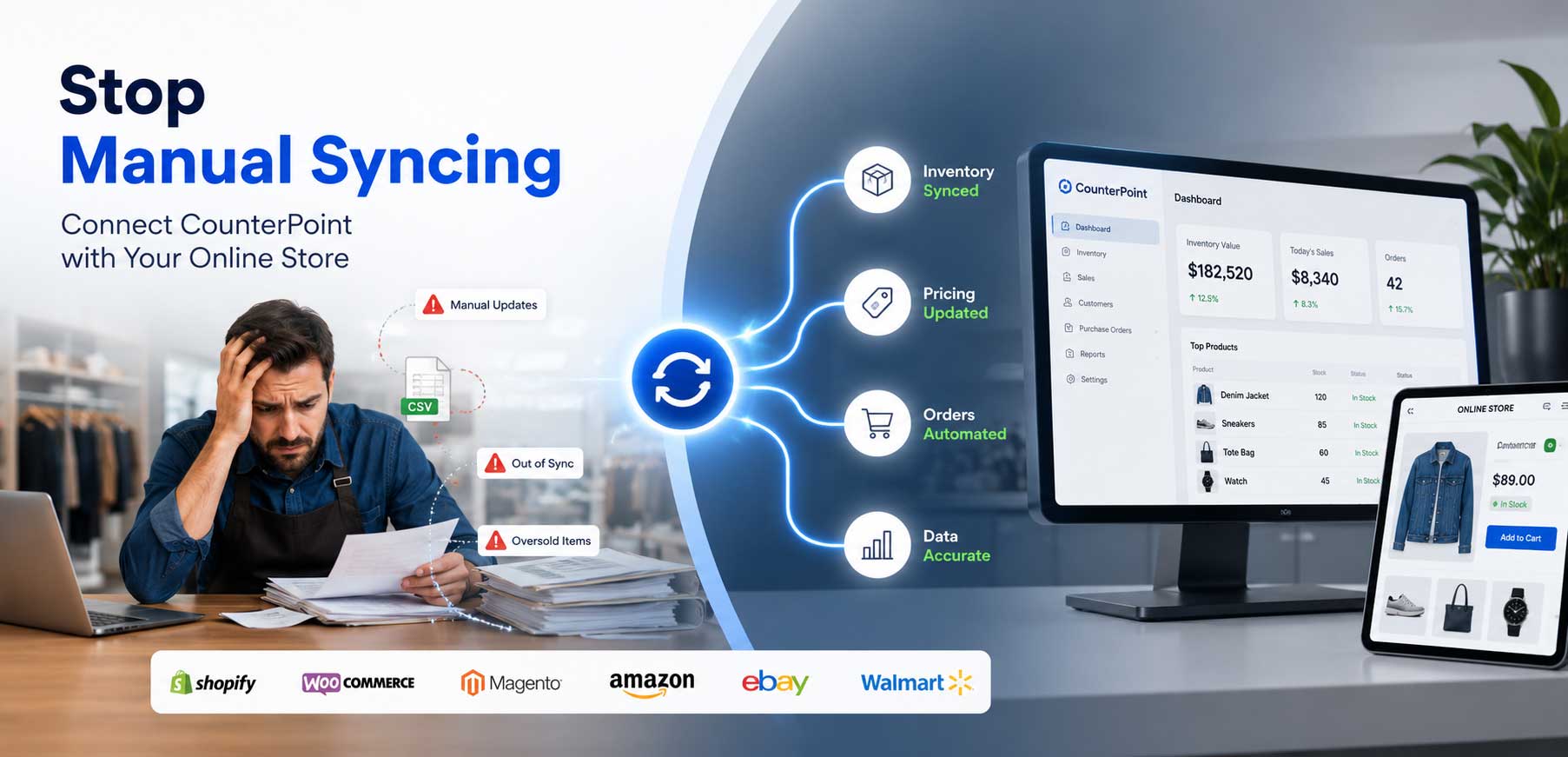
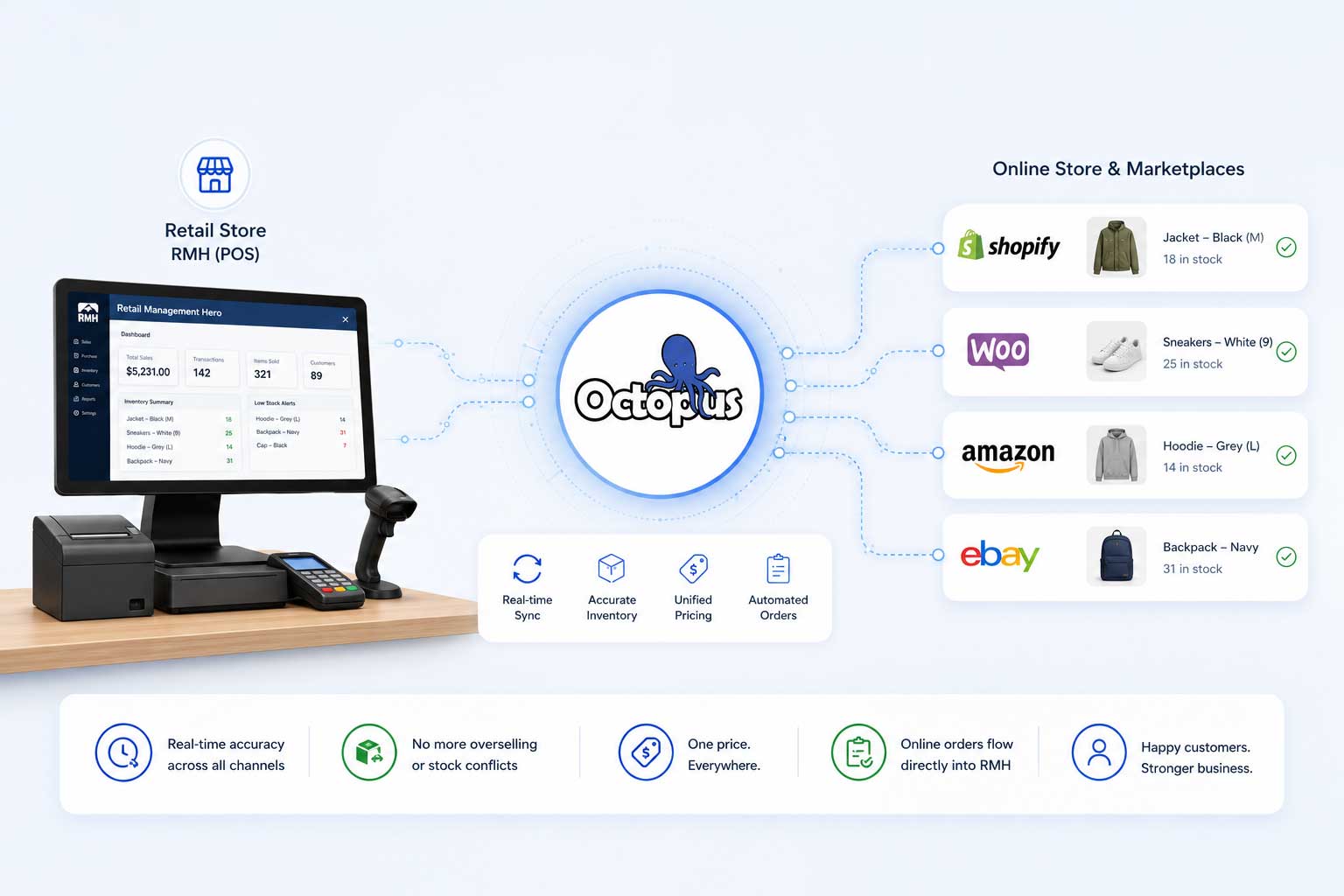
- A common issue is the lack of synchronized inventory systems between online and offline stores.
- This can result in stock discrepancies, leading to unfulfilled online orders or overstocking in physical stores.
- Price and Promotion Disparities
- Inconsistencies in pricing and promotions between channels can frustrate customers and erode trust in the brand.
- Harmonizing these elements is crucial for maintaining brand integrity and customer satisfaction.
- Customer Data Silos
- Disparate data collection and analysis systems for different channels hinder a comprehensive understanding of customer behavior.
- This limitation makes it challenging to personalize marketing efforts and improve customer service.
III. Strategies to Overcome the Disconnect
- Integrated Inventory Management Systems
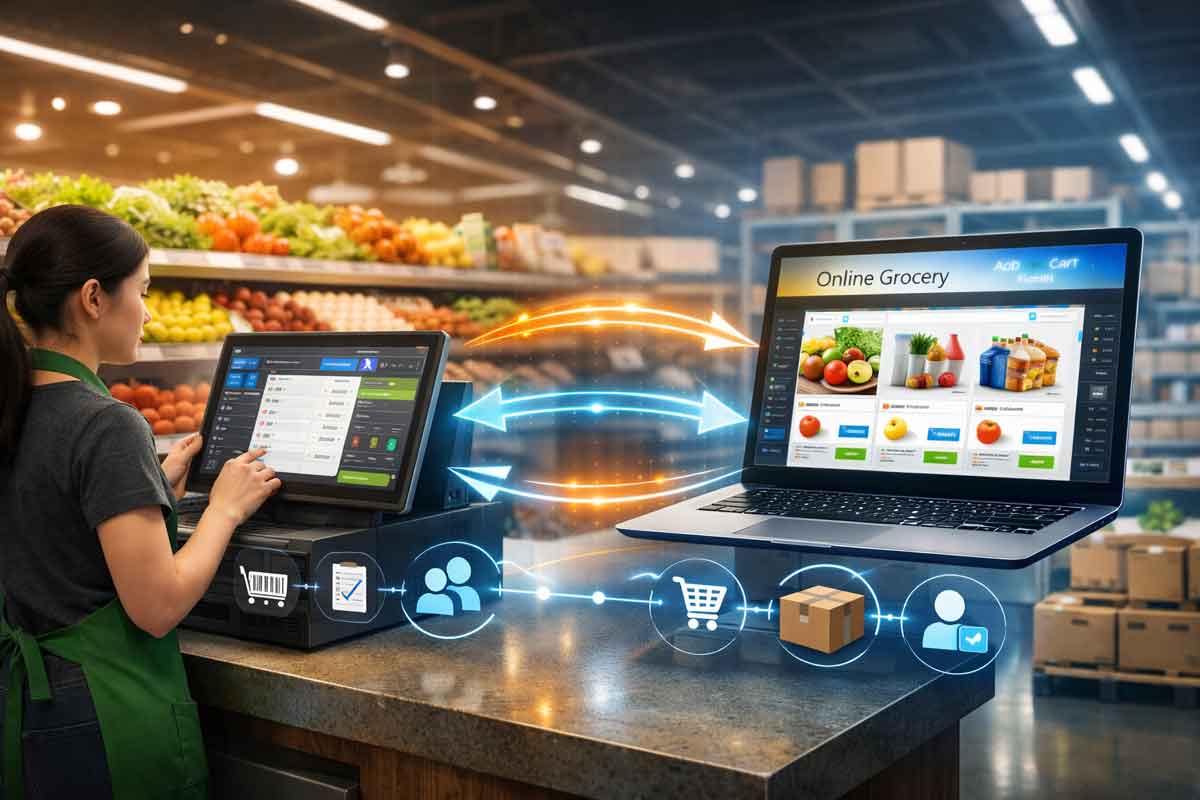
- Implementing a unified inventory system ensures near real-time tracking of stock levels across all channels.
- This approach not only prevents stock issues but also allows for features like ‘buy online, pick up in-store’ (BOPIS), enhancing customer convenience.
- Consistent Branding and Pricing
- Ensuring consistent branding, pricing, and promotions across all channels builds trust and loyalty among customers.
- Regular audits and communication between channel managers are vital to maintain this consistency.
- Unified Customer Data Platforms
- Investing in a centralized customer data platform allows businesses to gain a holistic view of their customer’s preferences and behaviors.
- This integration is key to delivering personalized experiences and targeted marketing campaigns.
Conclusion:
The disconnection between physical and eCommerce channels represents a significant barrier to sales growth in the modern retail landscape. However, by adopting an omnichannel approach and investing in integrated systems and strategies, businesses can overcome these challenges. The future of retail lies in seamless integration, and those who recognize and act on this trend will be well-positioned to thrive in the competitive market.