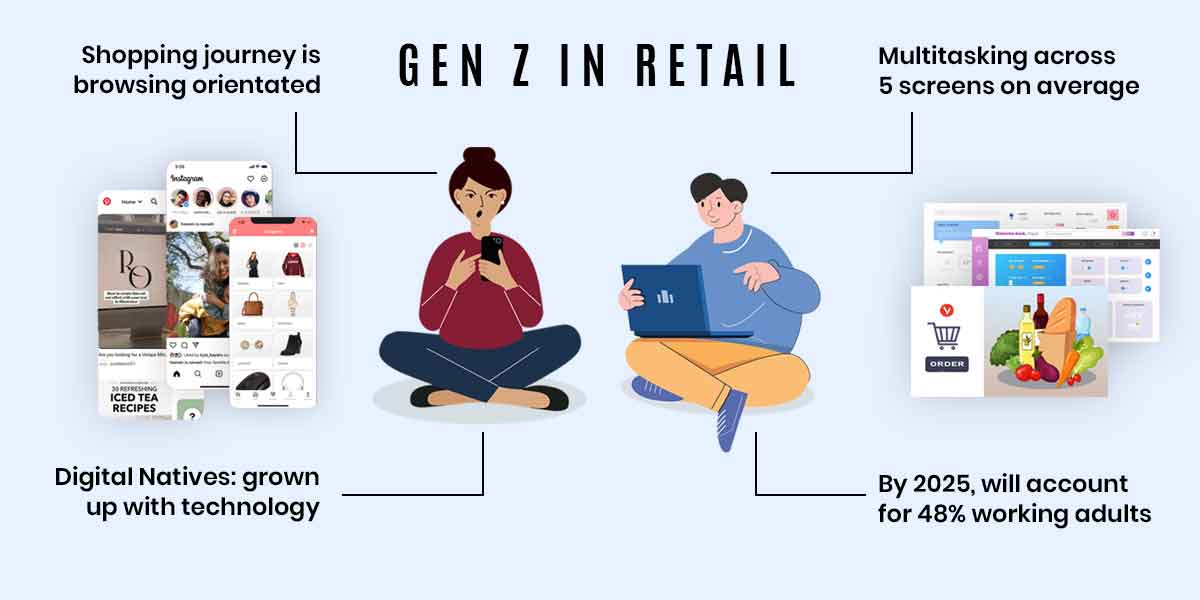
eCommerce catalog management is a dynamic process used by online retailers to keep their product catalogs accurate, consistent, and up-to-date. This process involves the organization, standardization, and maintenance of product data across various sales channels. Effective catalog management ensures that customers find the correct information they need to make an informed purchase decision. This includes product descriptions, prices, stock levels, images, and more.

Benefits
- Improved Customer Experience: A well-managed catalog presents accurate and detailed product information, which helps in building customer trust and reducing confusion.
- Increased Efficiency: Streamlined catalog management processes reduce the time and effort needed to update product listings, leading to increased operational efficiency.
- Better Search Engine Visibility: Accurate and detailed product descriptions improve SEO, making it easier for customers to find your products online.
- Enhanced Sales Opportunities: A well-maintained catalog can lead to higher conversion rates, as customers are more likely to purchase when they find reliable and comprehensive product information.
- Consistency Across Channels: Effective catalog management ensures that product information is consistent across all sales platforms, strengthening brand identity.
Challenges
- Data Management: Handling a large volume of product data can be overwhelming, especially when dealing with diverse product ranges and multiple suppliers.
- Maintaining Accuracy: Ensuring that all product information is up-to-date and accurate can be challenging, particularly in fast-moving markets.
- Integration with Multiple Channels: Synchronizing product information across various sales channels and platforms requires robust integration systems.
- Scalability: As the business grows, scaling the catalog to accommodate more products and variations without losing quality or accuracy is a significant challenge.
- Meeting Diverse Customer Expectations: Customers have different expectations regarding product information, images, and descriptions, making it challenging to cater to a broad audience.
5 Best Practices To Follow
- Use High-Quality Product Images: Clear, high-resolution images are crucial for showcasing products effectively. Include multiple views and zoom-in features.
- Provide Detailed and Accurate Descriptions: Ensure that product descriptions are comprehensive, accurate, and SEO-friendly. Use keywords effectively to improve searchability.
- Regularly Update Your Catalog: Keep your catalog current by regularly updating product information, prices, and stock levels.
- Implement a Robust Catalog Management System: Use a centralized system that can handle large volumes of data and facilitate easy updates across multiple channels.
- Optimize for Mobile Devices: Ensure that your catalog is mobile-friendly, as a significant portion of eCommerce traffic comes from mobile users.
In conclusion, eCommerce catalog management is crucial for the success of any online retail business. By following best practices and overcoming challenges, retailers can ensure a seamless shopping experience for their customers, leading to increased sales and customer loyalty.