INTRODUCTION
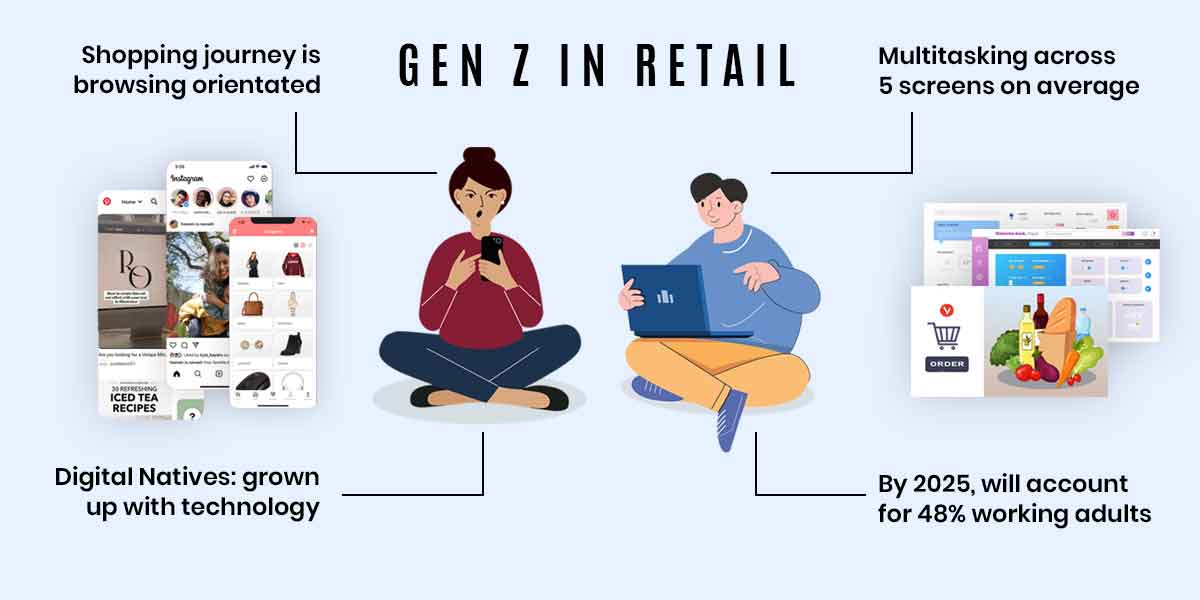
Generation Z, commonly known as Gen Z, comprises individuals born between the mid-1990s and the early 2010s. As the first true digital natives, Gen Z has grown up in an era of technological advancements and has unique expectations when it comes to retail experiences. This article delves into what Gen Z really wants from retailers and why retailers require various services, such as omnichannel integration, ecommerce website development, digital marketing, content marketing, catalog management, and social media marketing, to cater to this influential consumer group.
THE RISE OF GEN Z
Gen Z represents a significant consumer force, estimated to make up almost one-third of the global population. This digitally savvy generation has been exposed to the internet and mobile devices from an early age, which has profoundly influenced their purchasing behavior and preferences.
WHAT GEN Z WANTS
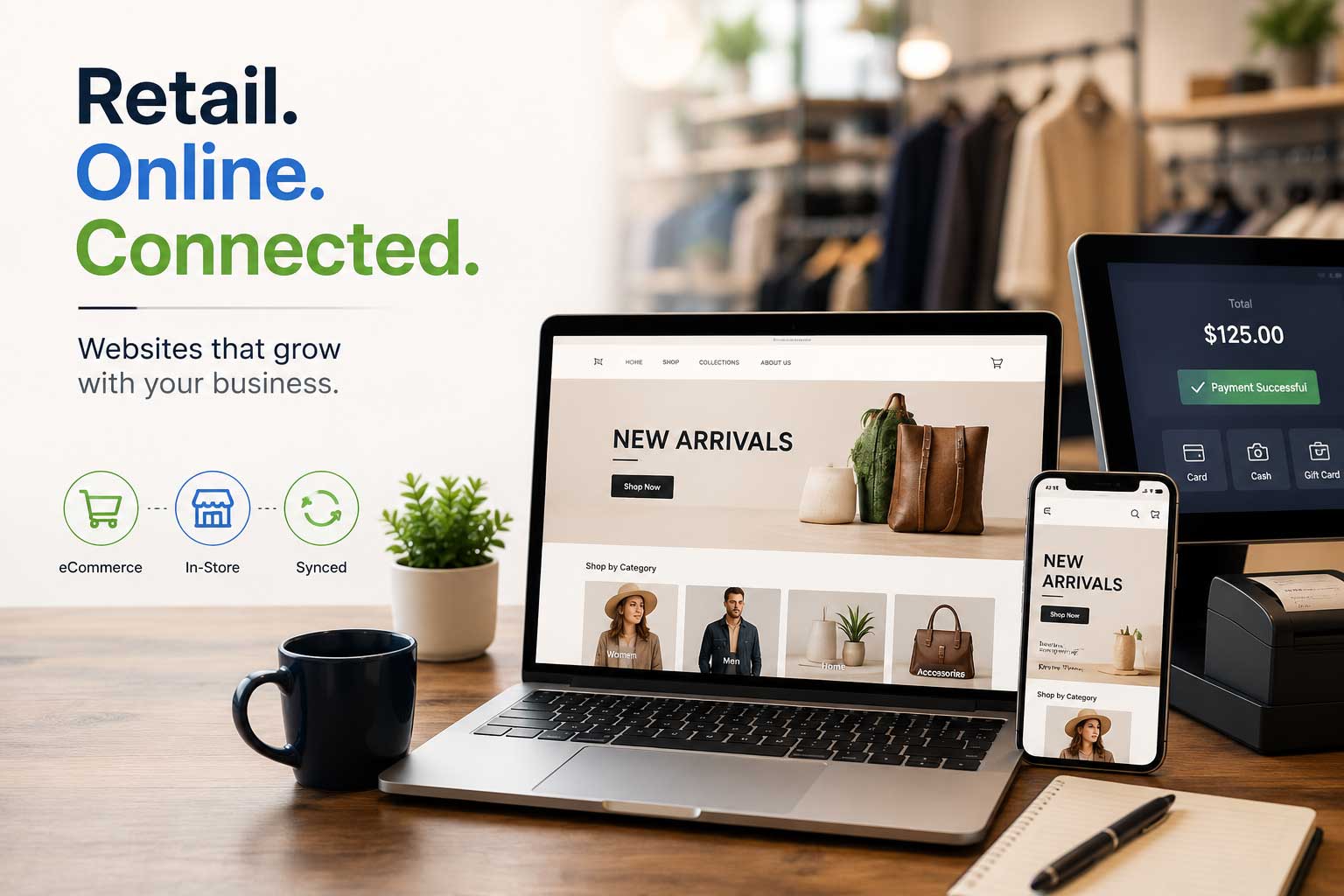
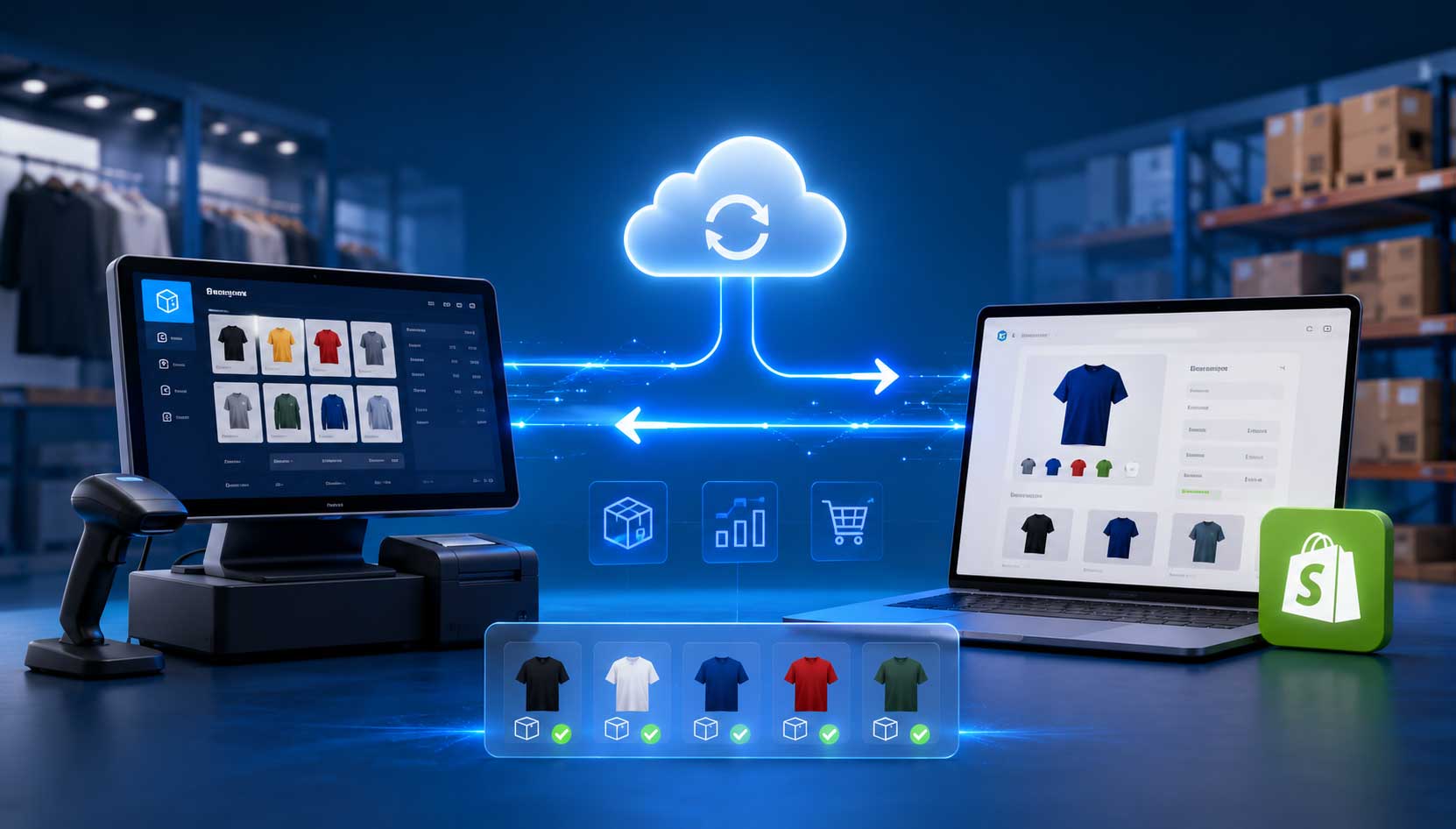
Seamless Omnichannel Integration: Gen Z desires a seamless shopping experience across multiple channels. They expect to seamlessly transition between online and offline touchpoints without any disruption. Retailers must integrate their physical stores, ecommerce platforms, and mobile apps to provide a consistent experience at every step of the customer journey.
Enhanced Ecommerce Website Development: Gen Z relies heavily on ecommerce for their shopping needs. Retailers must invest in user-friendly and visually appealing ecommerce websites that prioritize mobile optimization. Gen Z expects fast load times, easy navigation, personalized product recommendations, and secure payment options.
Effective Digital Marketing and Promotion: To reach Gen Z effectively, retailers need to employ a robust digital marketing strategy. Gen Z consumes content across various digital platforms, such as social media, video streaming, and online blogs. Retailers should leverage these channels to engage Gen Z with relevant and authentic content, influencer partnerships, and interactive campaigns.
Engaging Content Marketing: Gen Z craves engaging and valuable content that resonates with their interests and values. Retailers should invest in content marketing strategies that focus on storytelling, educational content, and user-generated content. By building a strong brand identity and establishing a connection through content, retailers can win the trust and loyalty of Gen Z consumers.
Efficient Catalog Management: Gen Z is accustomed to quick and easy access to information. Retailers must ensure accurate and up-to-date product catalogs that are easily searchable, contain detailed descriptions and showcase high-quality images. Advanced search filters and product recommendations based on browsing history and preferences can enhance the overall shopping experience.
Strategic Social Media Marketing: Social media plays a crucial role in the lives of Gen Z. Retailers need to have a strong presence on platforms like Instagram, TikTok, and Snapchat to capture their attention. Social media marketing should focus on visually appealing content, influencer collaborations, user-generated content campaigns, and interactive experiences to drive engagement and foster brand advocacy.
THE IMPORTANCE OF THESE SERVICES FOR RETAILERS
Staying Competitive: To thrive in the digital age, retailers must meet the evolving needs of Gen Z. By providing seamless omnichannel experiences, user-friendly ecommerce platforms, and relevant content, retailers can stay ahead of the competition and attract Gen Z consumers.
Building Brand Loyalty: Gen Z values authenticity and personalization. Retailers that invest in digital marketing, content marketing, and social media marketing strategies can build authentic connections with Gen Z, foster brand loyalty, and turn them into long-term customers.
Expanding Reach: Digital channels offer a global reach, allowing retailers to tap into new markets and expand their customer base. Effective digital marketing and social media marketing strategies help retailers reach Gen Z consumers around the world, transcending geographical boundaries.
Enhancing Customer Experience: Omnichannel integration, user-friendly ecommerce websites, and efficient catalog management contribute to an enhanced customer experience. By investing in these services, retailers can provide Gen Z with seamless and personalized experiences, increasing customer satisfaction and retention.
CONCLUSION
Generation Z has distinct preferences and expectations when it comes to retail experiences. Retailers must understand and adapt to these preferences to succeed in capturing the attention and loyalty of this influential consumer group. By leveraging services such as omnichannel integration, ecommerce website development, digital marketing, content marketing, catalog management, and social media marketing, retailers can cater to Gen Z’s needs, build brand loyalty, and drive business growth in the digital age.