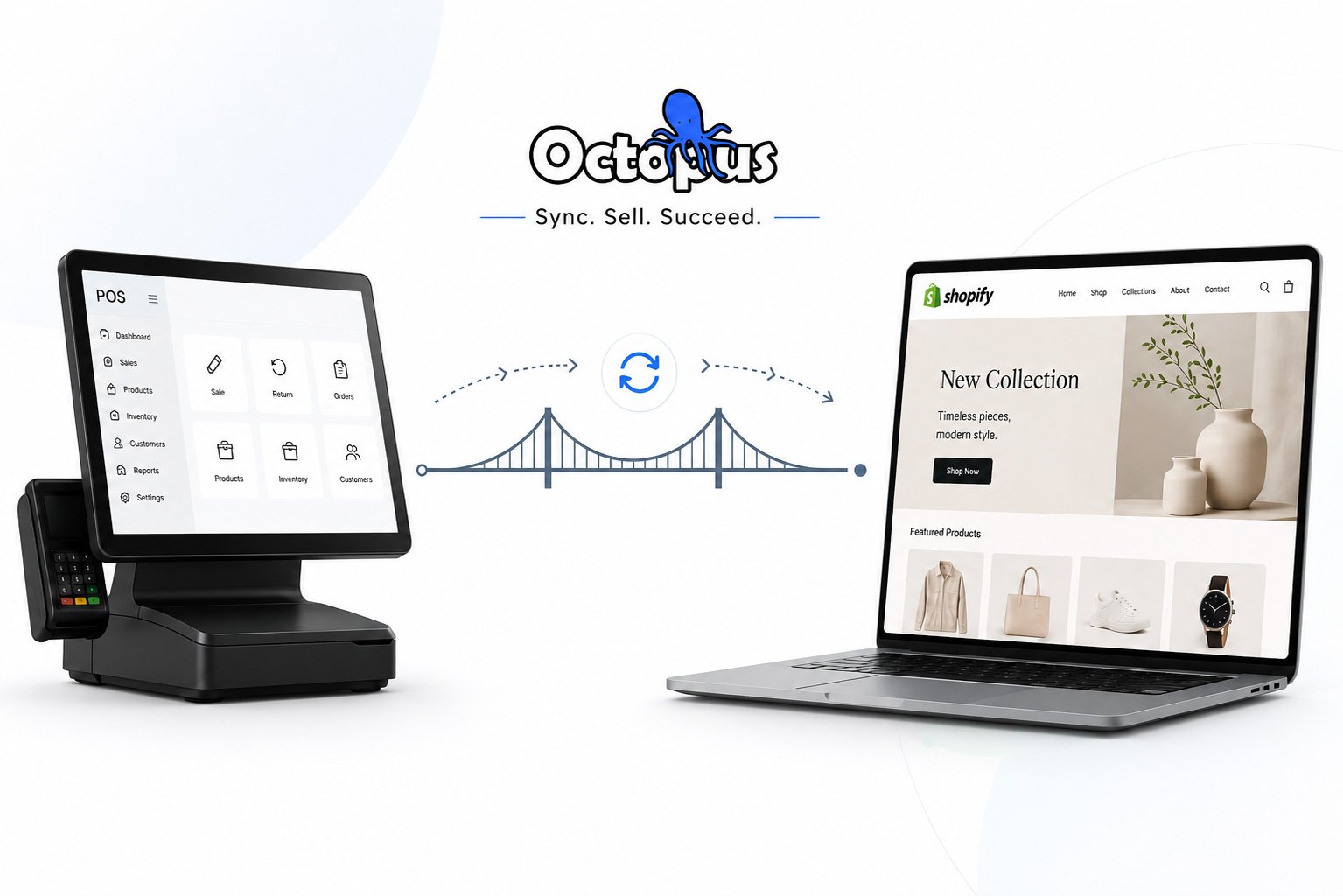
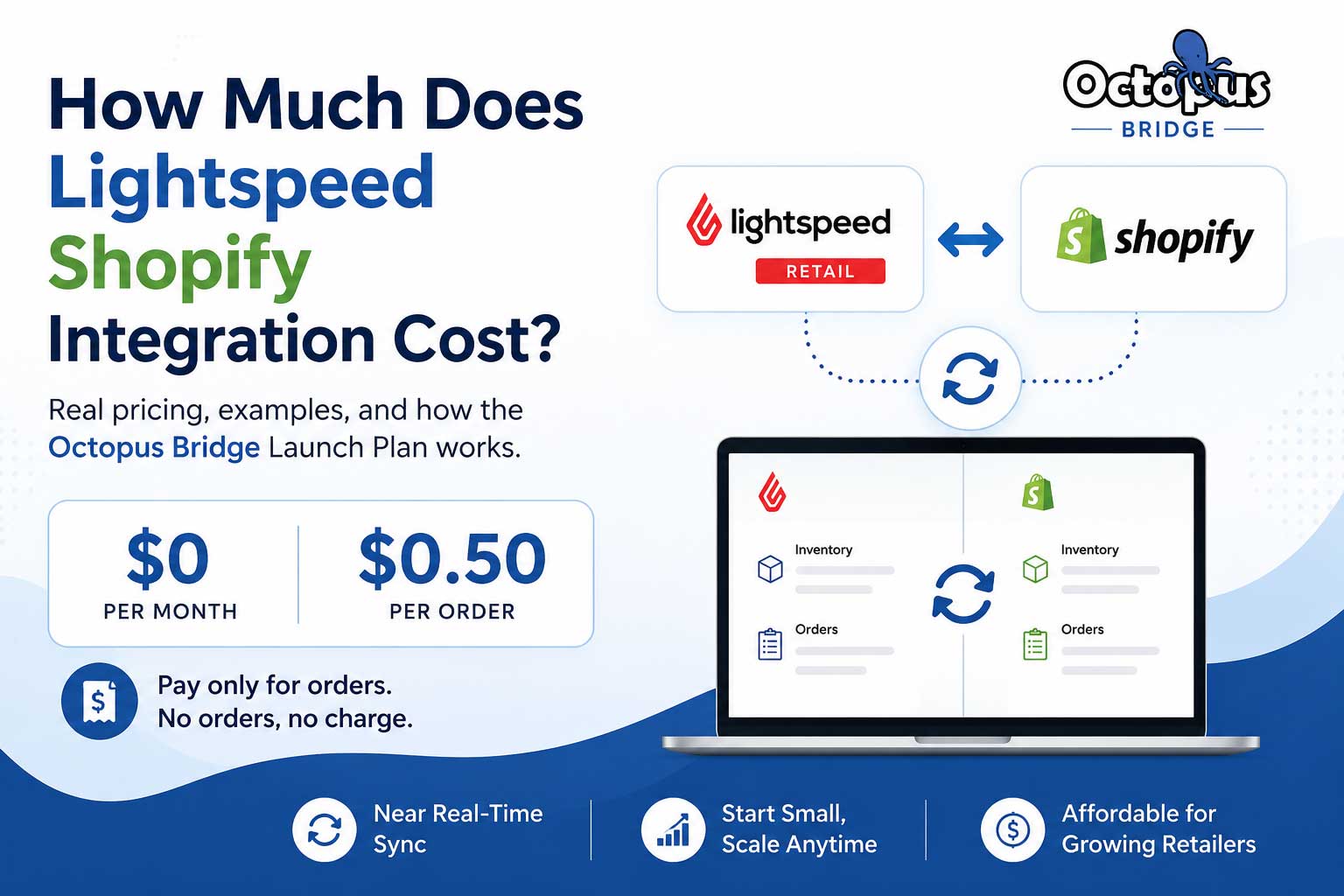
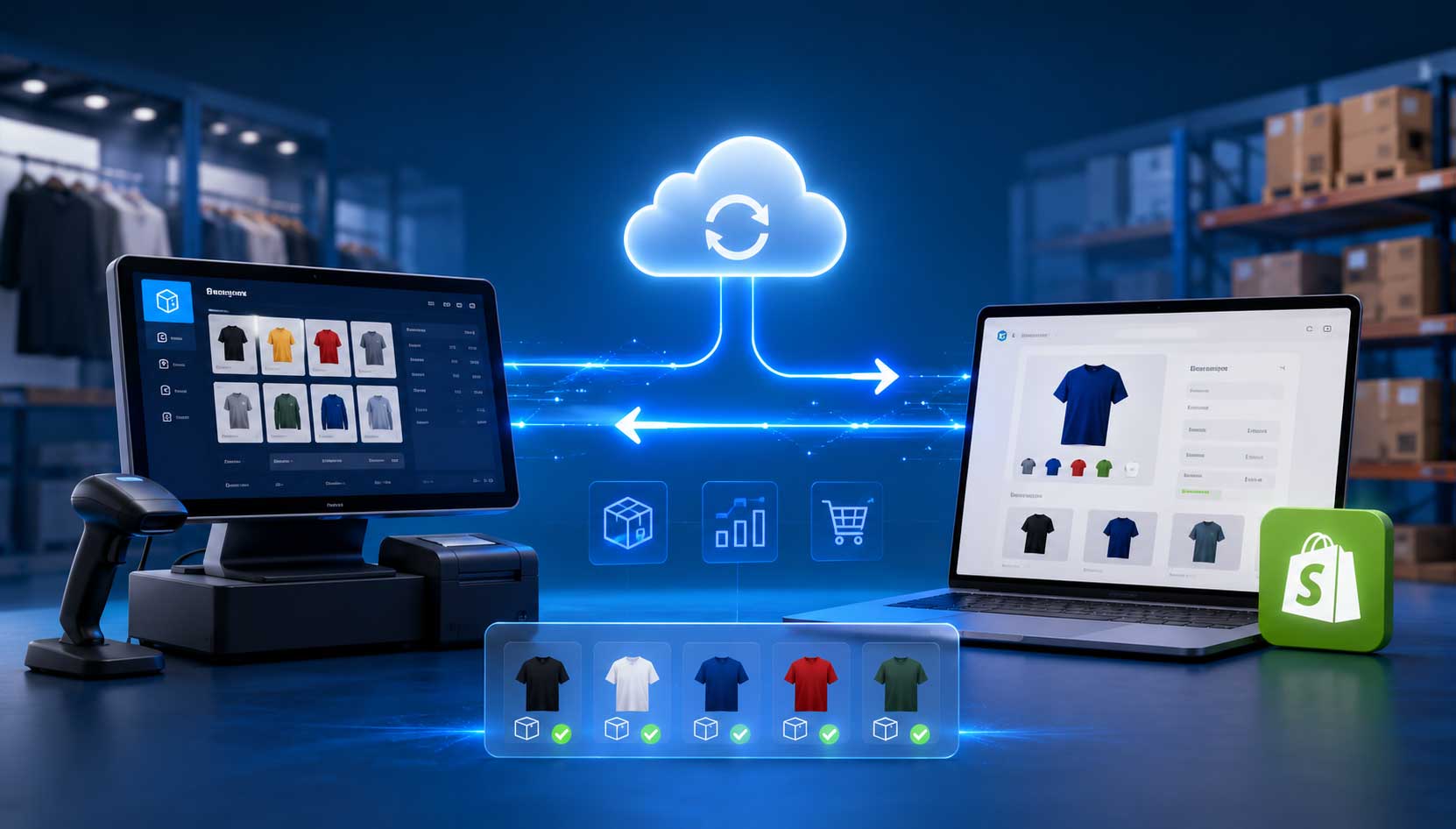
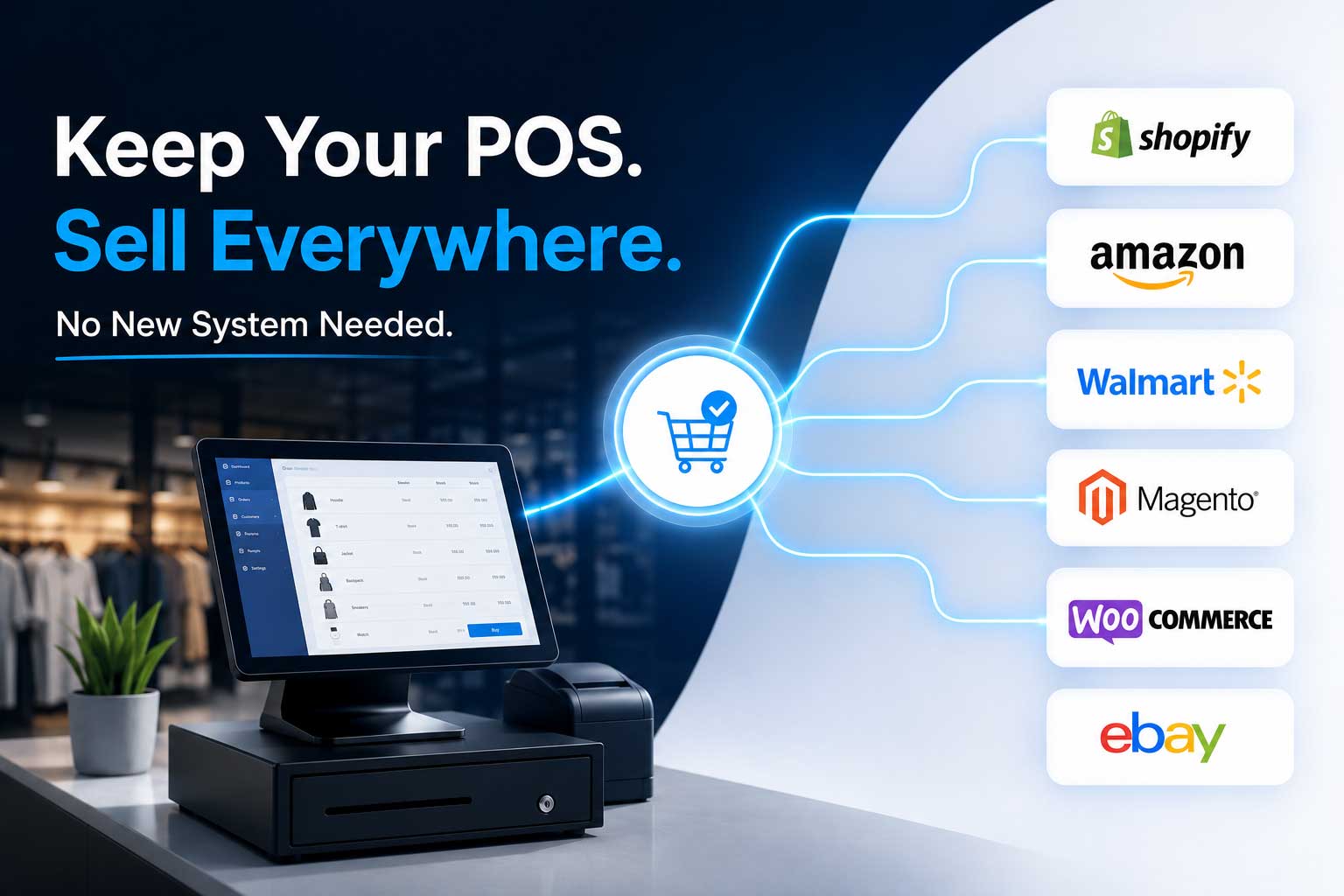
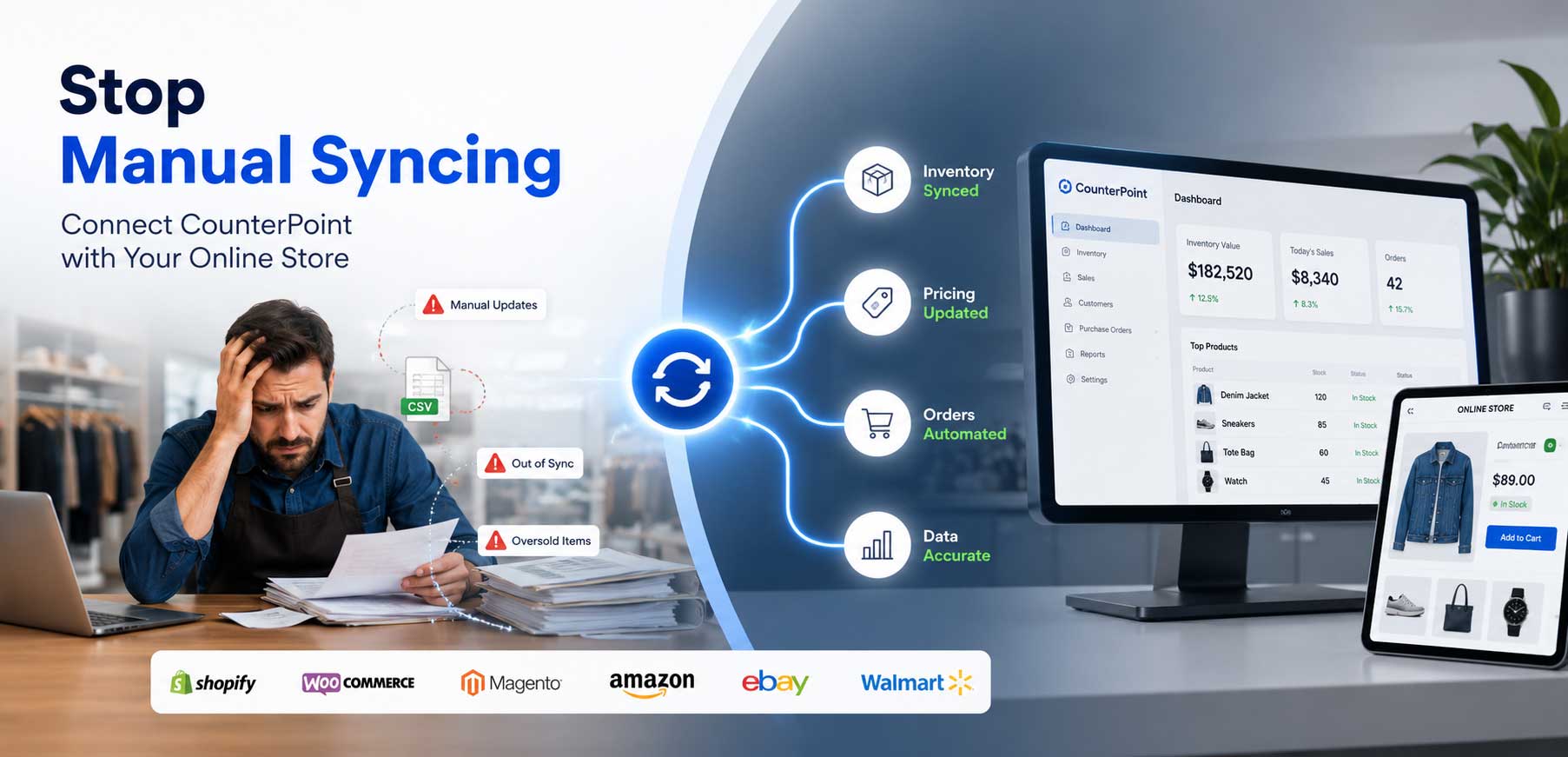
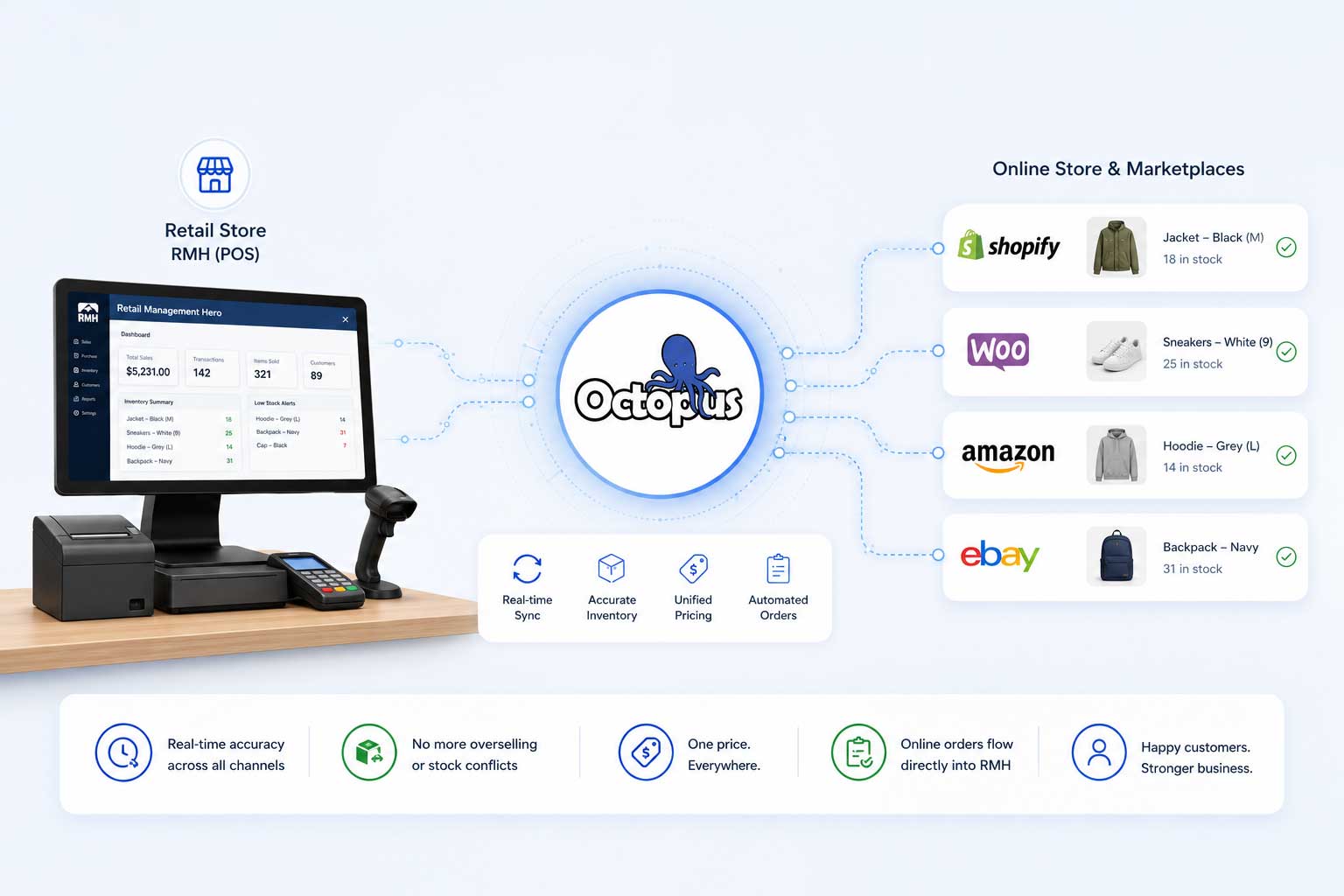
In today’s fast-paced world, the retail landscape is constantly evolving, driven by the advancement of technology, and changing consumer demands. The rise of e-commerce has significantly impacted traditional brick-and-mortar stores, leading to a paradigm shift in the way we shop. However, in the midst of a cost-of-living crisis, there is a growing need to bridge the gap between online and offline retail. This article explores the challenges and opportunities of connecting these two retail realms and highlights the potential benefits for consumers, businesses, and the overall economy.

Understanding the Cost-of-Living Crisis:
Before delving into the importance of connecting online and offline retail, it is crucial to grasp the concept of the cost-of-living crisis. This crisis refers to a situation where the expenses of basic necessities, such as housing, healthcare, education, and food, rise faster than the average income levels of individuals or families. As a result, people face financial strain and struggle to maintain their quality of life. This crisis calls for innovative solutions in the retail sector to ensure affordability and accessibility for all.
Leveraging the Strengths of Online Retail:
Online retail has revolutionized the way we shop, offering convenience, a wide range of products, and competitive pricing. E-commerce platforms allow consumers to compare prices, read reviews, and make purchases from the comfort of their homes. However, it is essential to recognize that not everyone has access to the internet or the necessary digital literacy. Moreover, certain products, such as clothing or furniture, may require physical examination before purchase. Therefore, integrating online and offline retail can provide a more inclusive shopping experience.
Enhancing the In-Store Experience:
Physical stores have their unique advantages that cannot be replicated online. They offer sensory experiences, the ability to try products firsthand, and immediate gratification through instant purchases. To leverage these strengths, retailers can integrate technology within their stores, such as interactive displays, virtual reality, or augmented reality, to enhance the customer experience. By combining the convenience of online shopping with the tactile engagement of offline retail, consumers can enjoy the best of both worlds.
Creating Seamless Omnichannel Experiences:
Omnichannel retailing is a strategy that aims to provide a consistent and integrated experience across all channels, be it online or offline. This approach allows consumers to switch seamlessly between different platforms, such as browsing online, purchasing in-store, or returning items through a mobile app. By investing in robust technology infrastructure and streamlined logistics, retailers can bridge the gap between online and offline channels, enabling customers to make purchases and interact with their brands effortlessly.
Fostering Collaboration and Partnerships:
Connecting online and offline retail requires collaboration between e-commerce giants, traditional retailers, and small businesses. Online marketplaces can partner with local stores to serve as pickup points or distribution centers, reducing delivery costs and transit times. Additionally, physical stores can leverage their local presence to provide personalized services, such as in-store consultations or exclusive events, while online platforms can offer extended product selections and targeted promotions. These partnerships not only benefit consumers but also foster economic growth and resilience within local communities.
Conclusion:
As we navigate through the challenges of a cost-of-living crisis, the connection between online and offline retail becomes increasingly vital. By combining the convenience and accessibility of online shopping with the sensory experiences and immediate gratification of physical stores, retailers can cater to the diverse needs and preferences of consumers. Embracing technology, fostering collaboration, and creating seamless omnichannel experiences will not only empower individuals but also strengthen the retail industry as a whole. As we move forward, let us strive for a retail ecosystem that is inclusive, responsive, and resilient in the face of evolving economic landscapes.