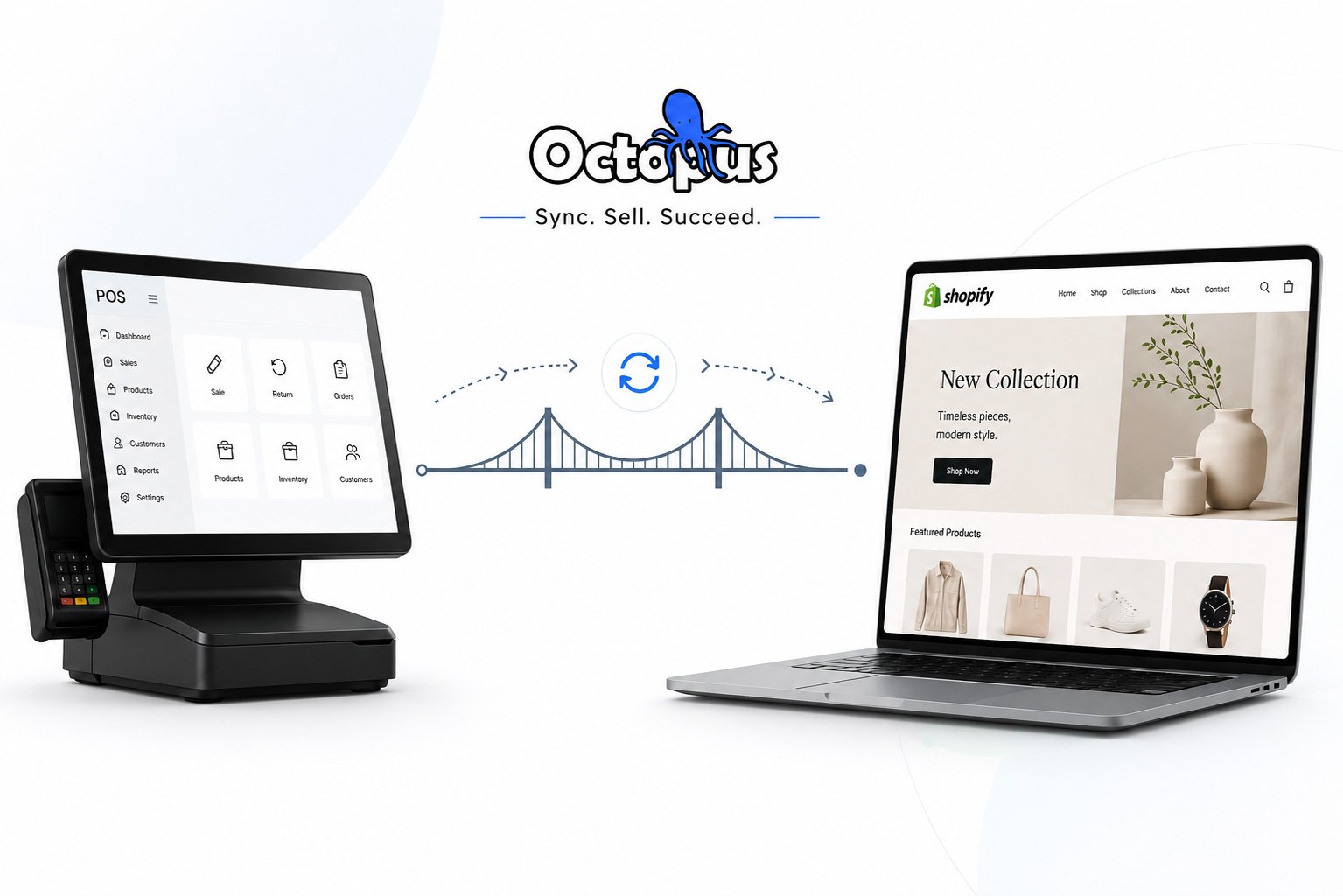
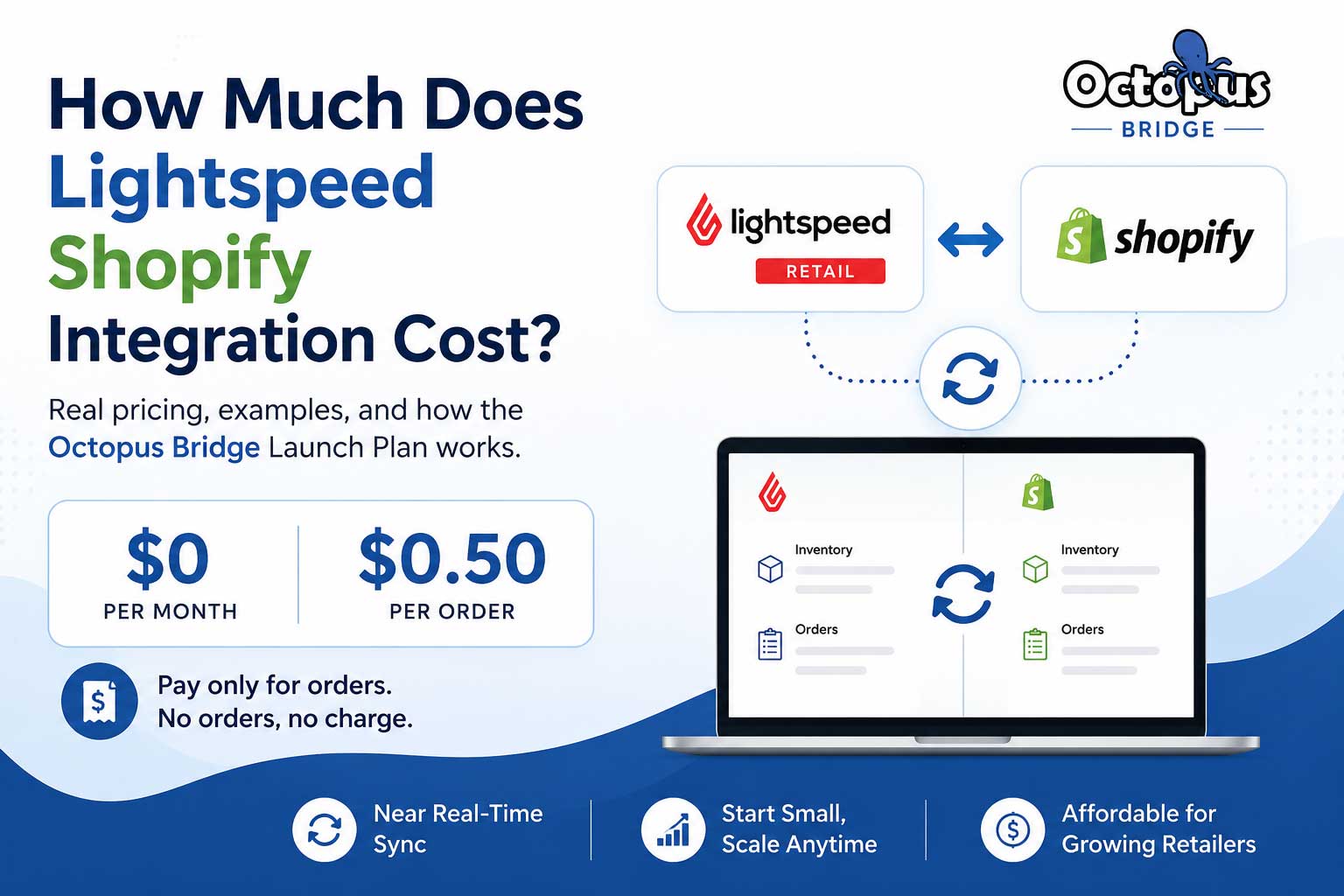
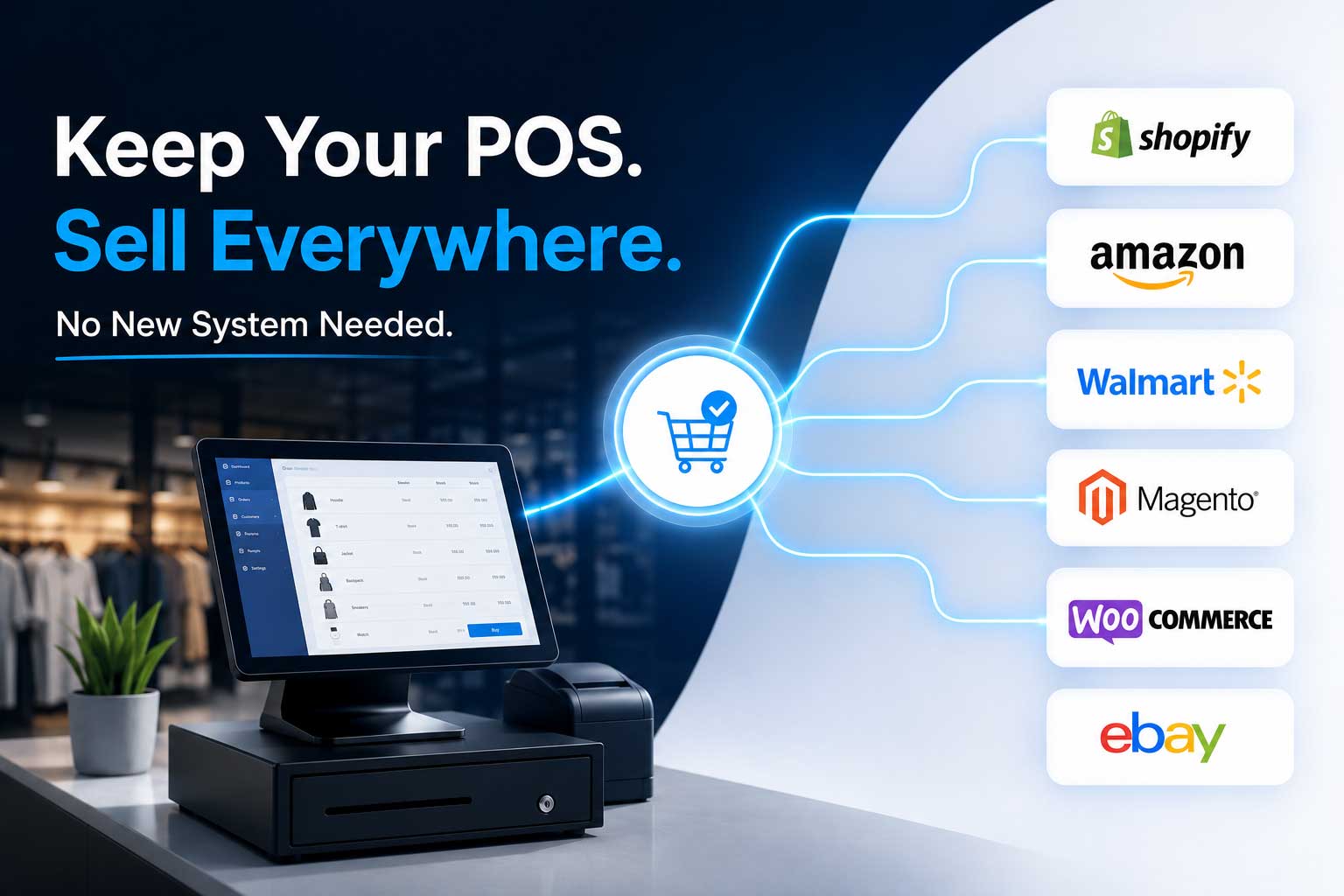
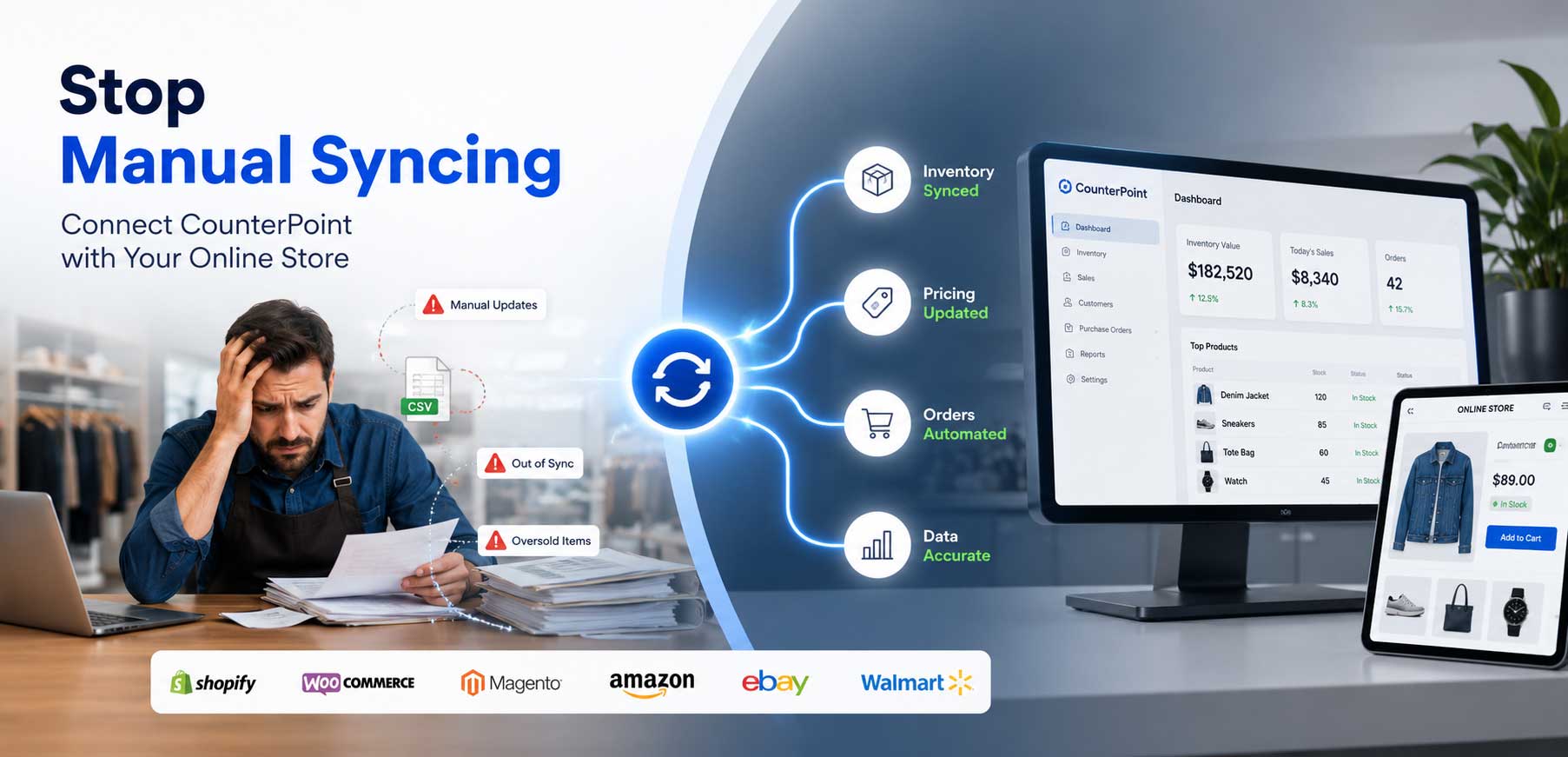
The retail landscape has evolved dramatically in recent years, with technology playing a pivotal role in shaping consumer behavior and expectations. Today, customers demand seamless shopping experiences that blend the digital and physical realms. This is where an omnichannel retailing strategy comes into play, and integrating your Counterpoint Point of Sale (POS) system with eCommerce platforms is a crucial first step.

Understanding Omnichannel Retailing
Omnichannel retailing refers to creating a consistent, unified customer experience across various channels, including brick-and-mortar stores, online platforms, mobile apps, and social media. The aim is to allow customers to move fluidly between these channels, with each platform complementing the others to enhance the overall shopping experience.
The Role of Counterpoint POS in Omnichannel Retailing
NCR Counterpoint POS is a versatile system known for its robust capabilities in inventory management, sales tracking, and customer relationship management. Integrating this system with your eCommerce platform can significantly benefit your omnichannel strategy by:
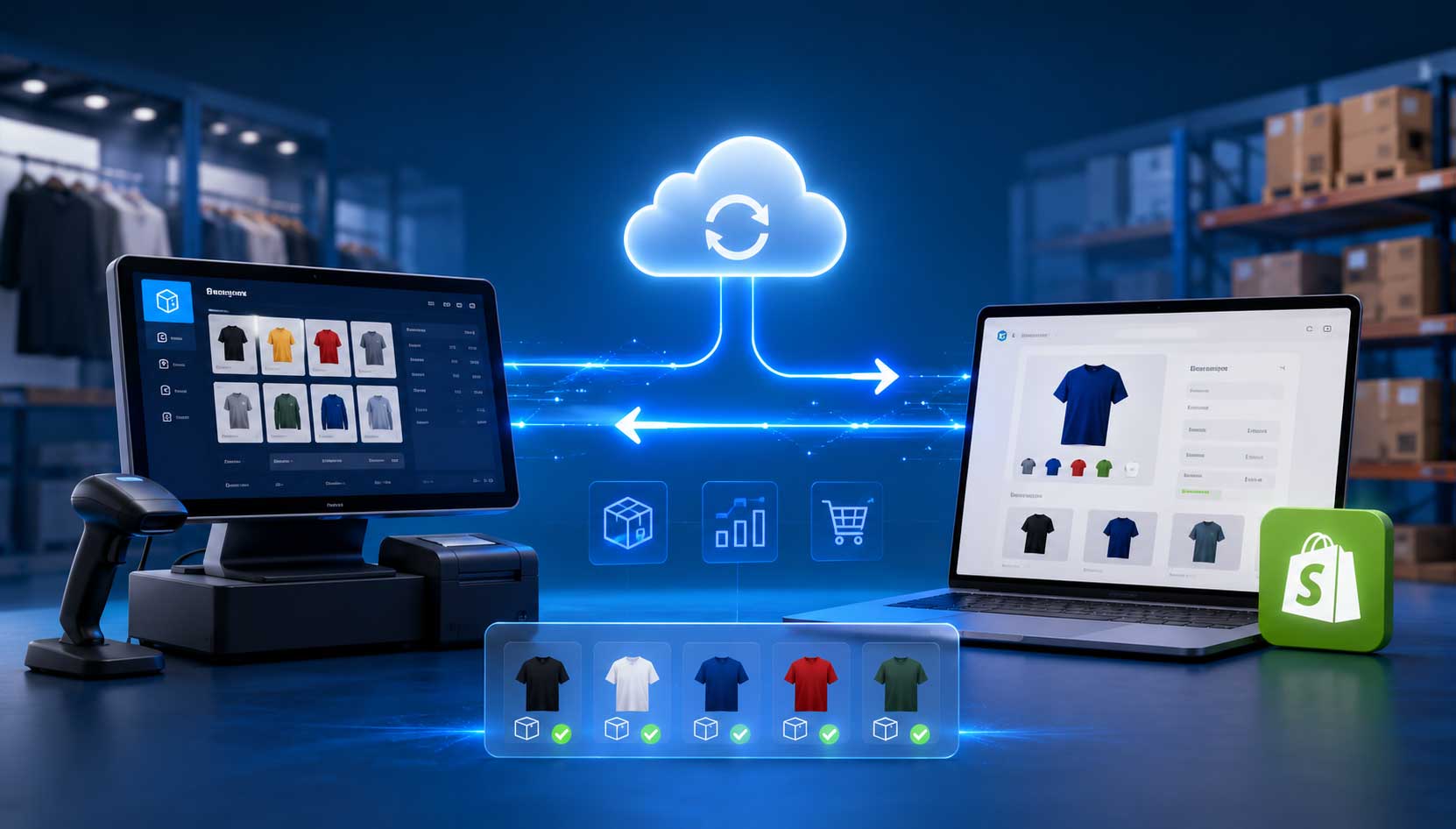
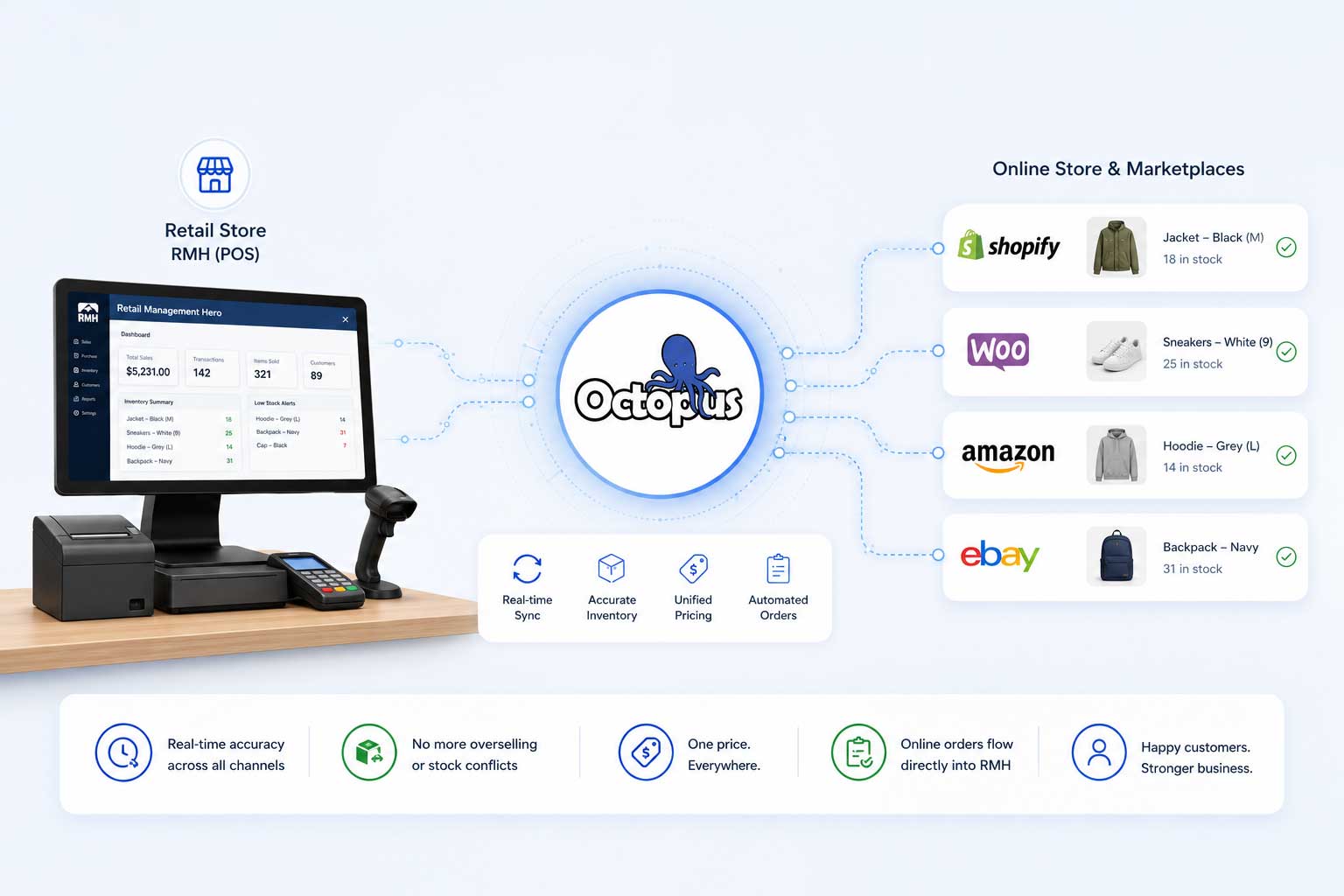
- Synchronizing Inventory: Near real-time inventory updates across all sales channels prevent stock discrepancies and ensure customers view accurate stock levels online.
- Unified Sales Data: Sales data from both online and offline channels are integrated, providing valuable insights into customer behavior and preferences.
- Enhanced Customer Experience: Integration allows for personalized marketing, loyalty programs, and consistent customer service across all channels.
Where to Begin with Your Integration?
- Assess Your Current Infrastructure: Evaluate your current POS and eCommerce platforms. Ensure that your Counterpoint POS system is compatible with your online platform.
- Choose the Right Integration Partner: Select a service provider who understands the nuances of both Counterpoint POS and your chosen eCommerce platform. This ensures a seamless integration process.
- Plan Your Customer Journey: Map out the customer journey across all channels. Understand how customers interact with your brand, and use this information to create a cohesive experience.
- Focus on Data Synchronization: Ensure that product information, customer data, and order details are synchronized across all platforms. This step is crucial for inventory management and providing a consistent customer experience.
- Test and Optimize: Before going live, rigorously test the integration to iron out any issues. Post-launch, continuously monitor and optimize the system based on customer feedback and performance metrics.
The Benefits of Integration
Integrating Counterpoint POS with your eCommerce platform offers several advantages:
- Improved Inventory Management: Near real-time tracking reduces the risk of overselling and stockouts.
- Better Customer Insights: Unified data provides a deeper understanding of customer behavior, enabling more effective marketing strategies.
- Enhanced Shopping Experience: Customers enjoy a seamless experience, whether shopping online or in-store.
Conclusion
Starting your omnichannel retailing journey by integrating Counterpoint POS with your eCommerce platform lays a solid foundation for a seamless customer experience. It not only streamlines operations but also provides valuable insights into customer behavior, helping you make informed business decisions. Embrace this integration as the first step towards a successful omnichannel strategy.