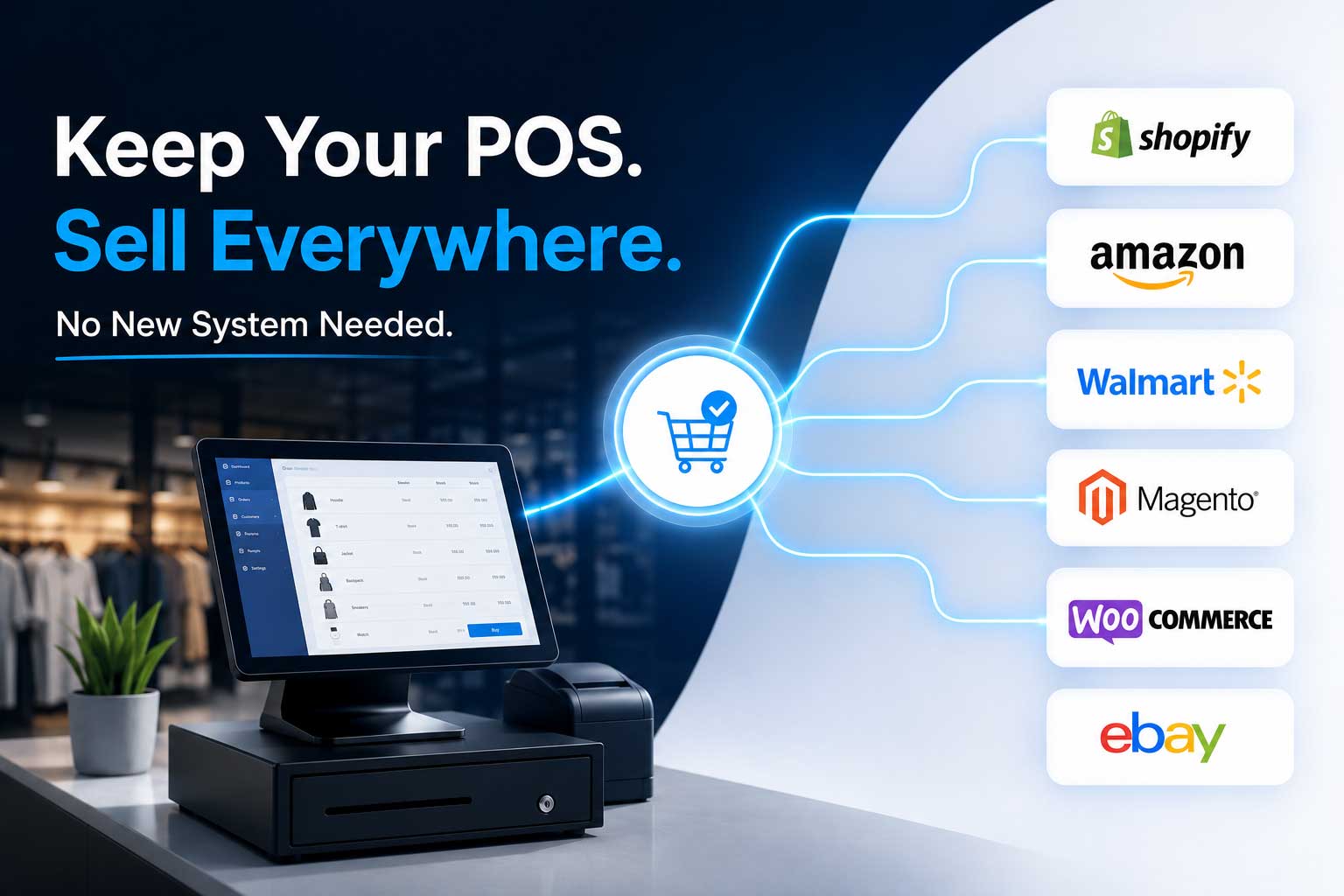
In the ever-evolving landscape of retail, the integration of traditional brick-and-mortar stores with online platforms has become crucial for business success. Retailers are constantly seeking ways to streamline their operations and deliver a seamless shopping experience across various channels. One such solution that has gained prominence is Octopus Bridge, a middleware connector provided by 24Seven Commerce, which facilitates the integration of Retail Pro, a widely used retail management software, with ecommerce platforms and marketplaces.

Retail Pro Overview:
Retail Pro, a comprehensive retail management solution, has evolved over the years with various versions catering to the diverse needs of retailers. The three main versions include Retail Pro v8 (the oldest), v9 (older), and Prism (the latest). Each version brings its own set of features and improvements, allowing retailers to manage inventory, sales, and customer data efficiently.
Octopus Bridge Integration:
Octopus Bridge, the middleware connector developed by 24Seven Commerce, acts as a bridge between Retail Pro and various ecommerce platforms and marketplaces. This integration is designed to streamline processes, improve efficiency, and enhance the overall customer experience.
Key Features of Octopus Bridge Integration:
- Multi-Channel Inventory Management:
Octopus Bridge enables retailers to synchronize their inventory seamlessly across Retail Pro and multiple ecommerce channels. This ensures that product availability and pricing information are consistent, reducing the likelihood of errors and enhancing customer satisfaction.
- Order Fulfilment Automation:
The integration automates the order fulfilment process by connecting Retail Pro with ecommerce platforms. This automation not only reduces manual efforts but also minimizes the chances of errors associated with order processing.
- Near Real-Time Data Synchronization:
Octopus Bridge ensures near real-time data synchronization between Retail Pro and ecommerce platforms, allowing merchants to access accurate and up-to-date information about inventory levels, sales, and customer data.
Octopus Bridge’s Safety Net Rule:
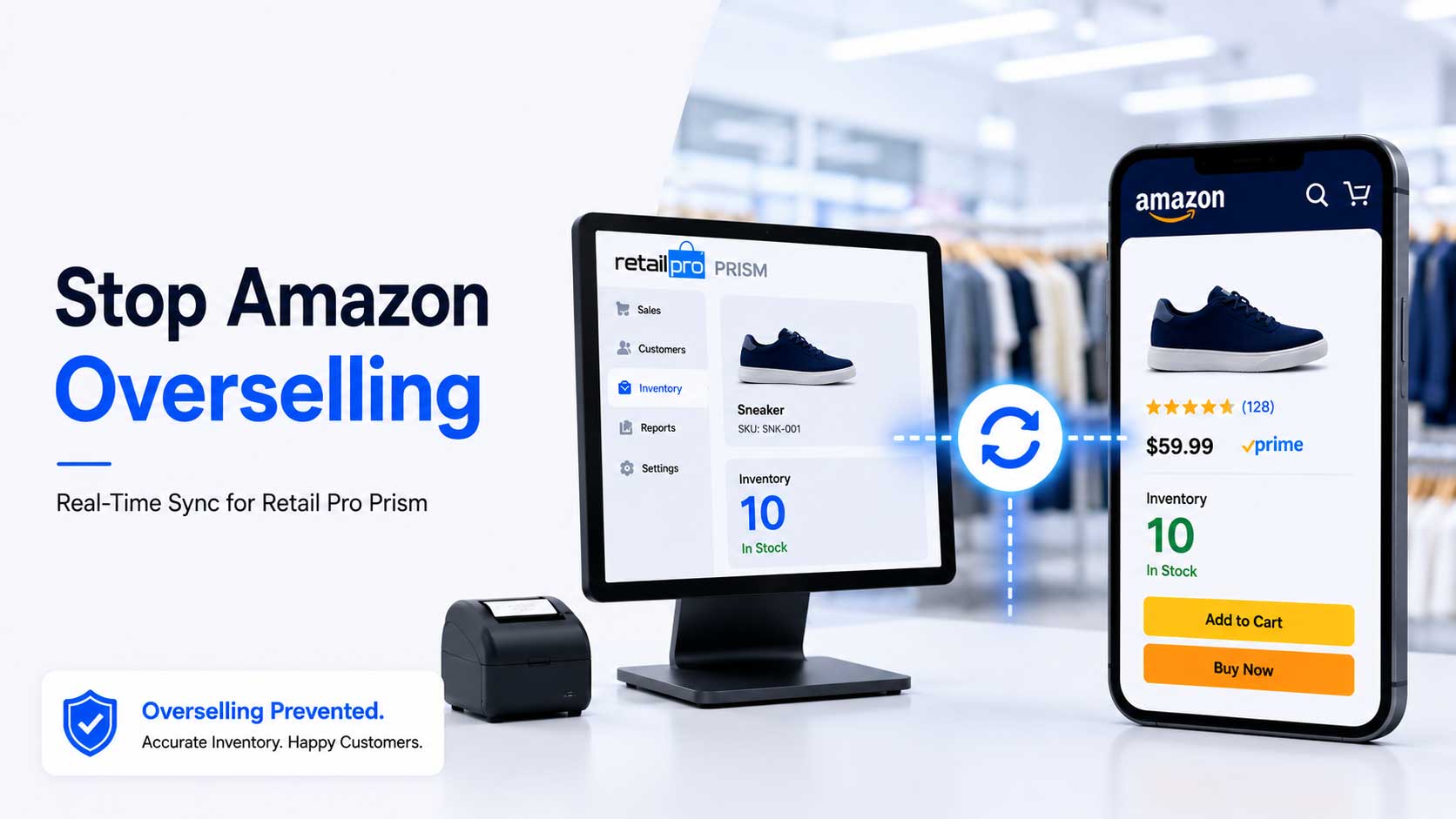
One standout feature of Octopus Bridge is the implementation of the Safety Net Rule. This rule plays a crucial role in preventing overselling, a common challenge faced by retailers managing both physical and online inventories simultaneously.
How the Safety Net Rule Works:
- The Safety Net Rule acts as a protective layer by setting predefined inventory thresholds.
- When the available inventory falls below a specified level, Octopus Bridge automatically adjusts the stock levels on connected ecommerce platforms to prevent overselling.
- This proactive approach ensures that customers do not place orders for out-of-stock items, reducing the risk of order cancellations and negative customer experiences.
Supported Retail Pro Versions:
Octopus Bridge supports various versions of Retail Pro, ensuring flexibility for retailers using different iterations of the software. The supported versions include Retail Pro v8 (the oldest), v9 (older), and Prism (the newest). This broad compatibility allows a wide range of retailers to leverage the benefits of Octopus Bridge, regardless of their current Retail Pro version.
Conclusion:
In the dynamic world of retail, the integration of Retail Pro with e-commerce platforms through Octopus Bridge is a game-changer. This middleware connector not only facilitates seamless connectivity but also addresses critical challenges like overselling through its innovative Safety Net Rule. By supporting all versions of Retail Pro, Octopus Bridge offers a comprehensive solution for retailers looking to enhance their online presence and create a unified and efficient retail ecosystem. Embracing this integration can empower retailers to stay competitive, meet customer expectations, and thrive in the digital era.