In today’s dynamic and ever-evolving business landscape, the significance of eCommerce cannot be overstated. With the digital revolution transforming the way we shop, connect, and conduct business, eCommerce has become an indispensable tool for retailers looking to expand their reach and thrive in the competitive market. Moreover, the integration of Point of Sale (POS) systems with e-commerce platforms has emerged as a game-changer, offering a seamless and efficient way for businesses to manage both online and offline sales channels.

The Power of eCommerce
- Global Reach and Accessibility:
eCommerce provides businesses with the ability to reach a global audience, breaking down geographical barriers and enabling them to connect with customers beyond their physical locations. This expanded reach opens up new opportunities for growth and revenue generation.
- Convenience for Customers:
One of the key advantages of eCommerce is the convenience it offers to customers. Online shopping allows consumers to browse and make purchases from the comfort of their homes, 24/7. This accessibility has become particularly crucial in the wake of the digital age, where consumers expect instant access to products and services.
- Data-Driven Insights:
eCommerce platforms generate a wealth of data that can be leveraged for strategic decision-making. Analyzing customer behavior, preferences, and purchasing patterns enables businesses to tailor their marketing strategies, enhance the customer experience, and optimize their product offerings.
- Cost-Effectiveness:
Setting up and maintaining an online store is often more cost-effective than managing a physical storefront. Businesses can save on expenses such as rent, utilities, and staffing while still reaching a broad customer base.
The Role of POS eCommerce Integration
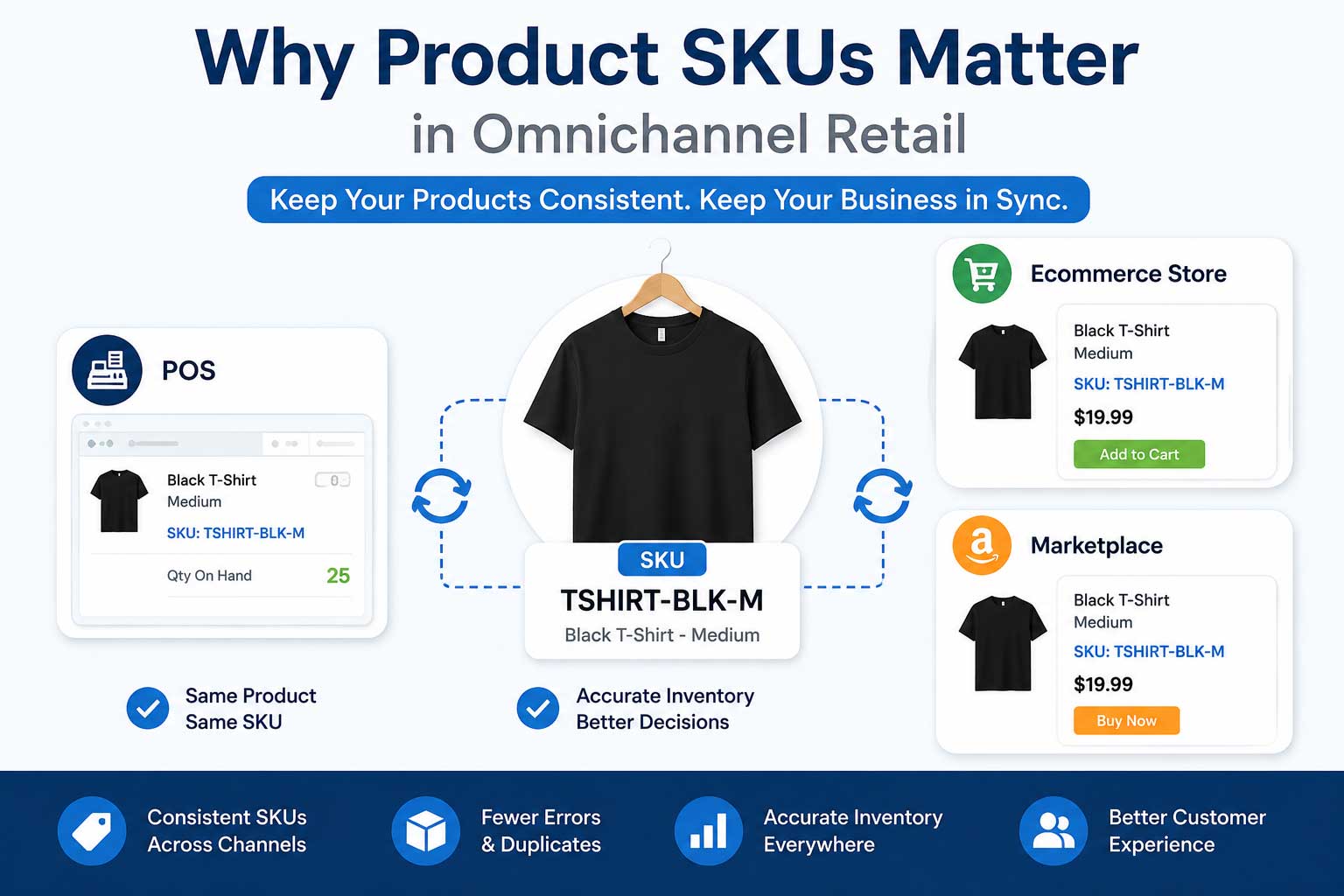
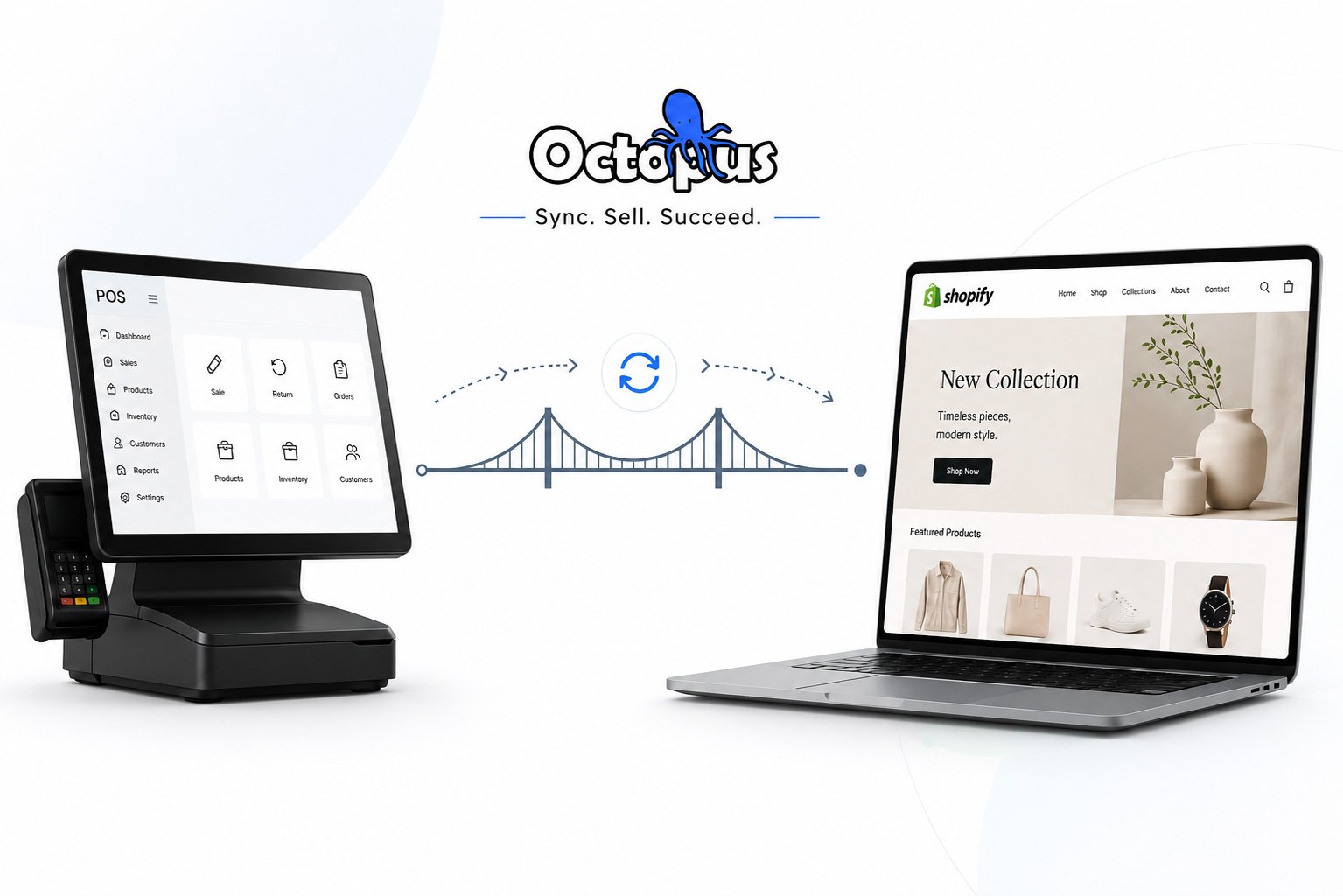
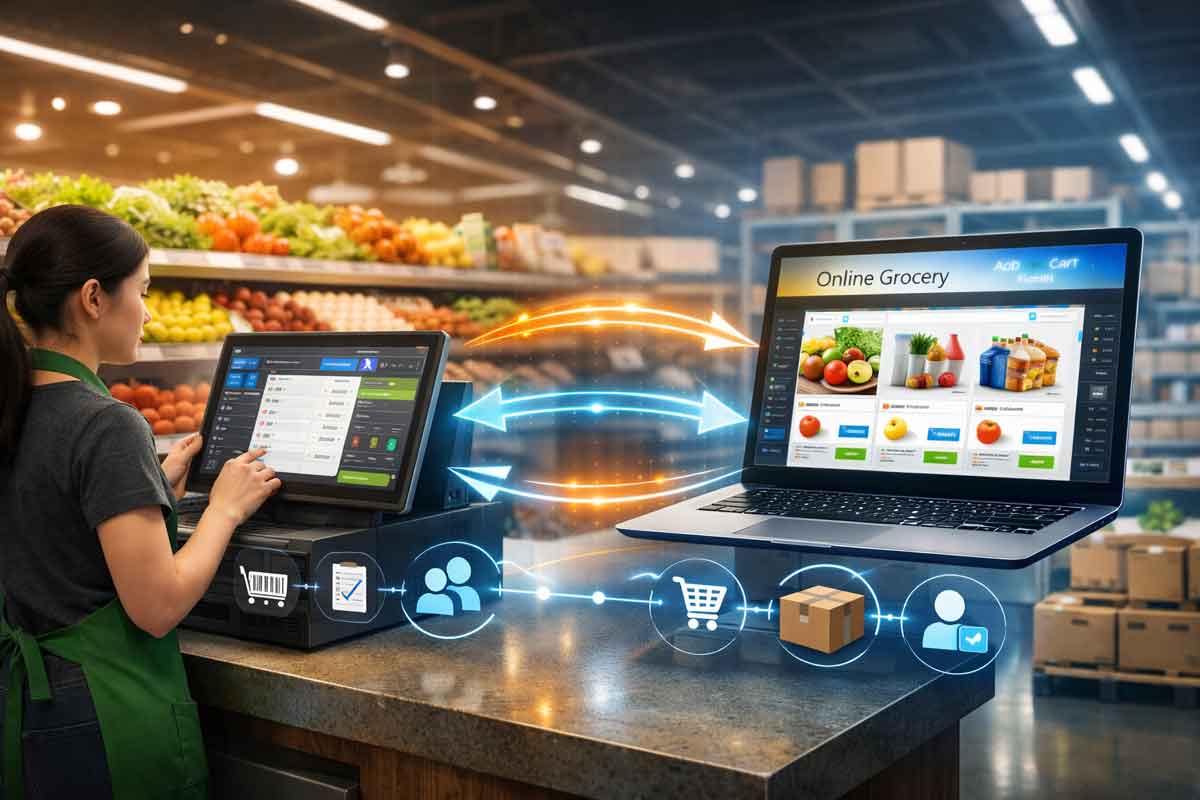
- Seamless Operations: POS eCommerce integration streamlines business operations by connecting online and offline sales channels. This cohesion ensures that inventory levels, sales data, and customer information are synchronized, reducing the risk of errors and improving overall efficiency.
- Enhanced Customer Experience: Integrating POS systems with eCommerce platforms provides a consistent and seamless experience for customers, whether they choose to shop online or in-store. This continuity is crucial for building brand loyalty and satisfaction.
- Near Real-Time Inventory Management: The ability to showcase near real-time stock availability on a retailer’s website is a powerful marketing tool. For physical stores, this feature not only attracts online shoppers but also boosts foot traffic. When customers see that a product is in stock, they are more likely to visit the store to make a purchase, creating a tangible connection between the online and offline shopping experiences.
- Optimized Marketing Strategies: Integrated POS and eCommerce systems provide retailers with a holistic view of customer behavior and preferences. This data can be utilized to create targeted marketing campaigns, driving engagement and sales both online and in-store.
The Impact of Online Stock Visibility
For physical stores, the presence of a website displaying available stock is a game-changing marketing tool. In contrast to traditional advertising methods like the Yellow Pages, a website showcasing near real-time inventory creates a sense of urgency and trust among consumers. The transparency of stock availability empowers shoppers to confidently visit the store, knowing that the desired product is in stock and ready for purchase.
In conclusion, the synergy between eCommerce and POS systems is pivotal for modern retailers aiming to thrive in a digital age. As the landscape continues to evolve, the seamless integration of online and offline channels not only enhances operational efficiency but also creates a more satisfying and cohesive experience for customers. The ability to display near real-time stock availability online serves as a potent marketing strategy, driving foot traffic to physical stores and reinforcing the interconnectedness of the digital and brick-and-mortar retail realms. Embracing eCommerce and POS integration is not just a technological advancement; it’s a strategic imperative for businesses looking to stay competitive and relevant in the contemporary marketplace.