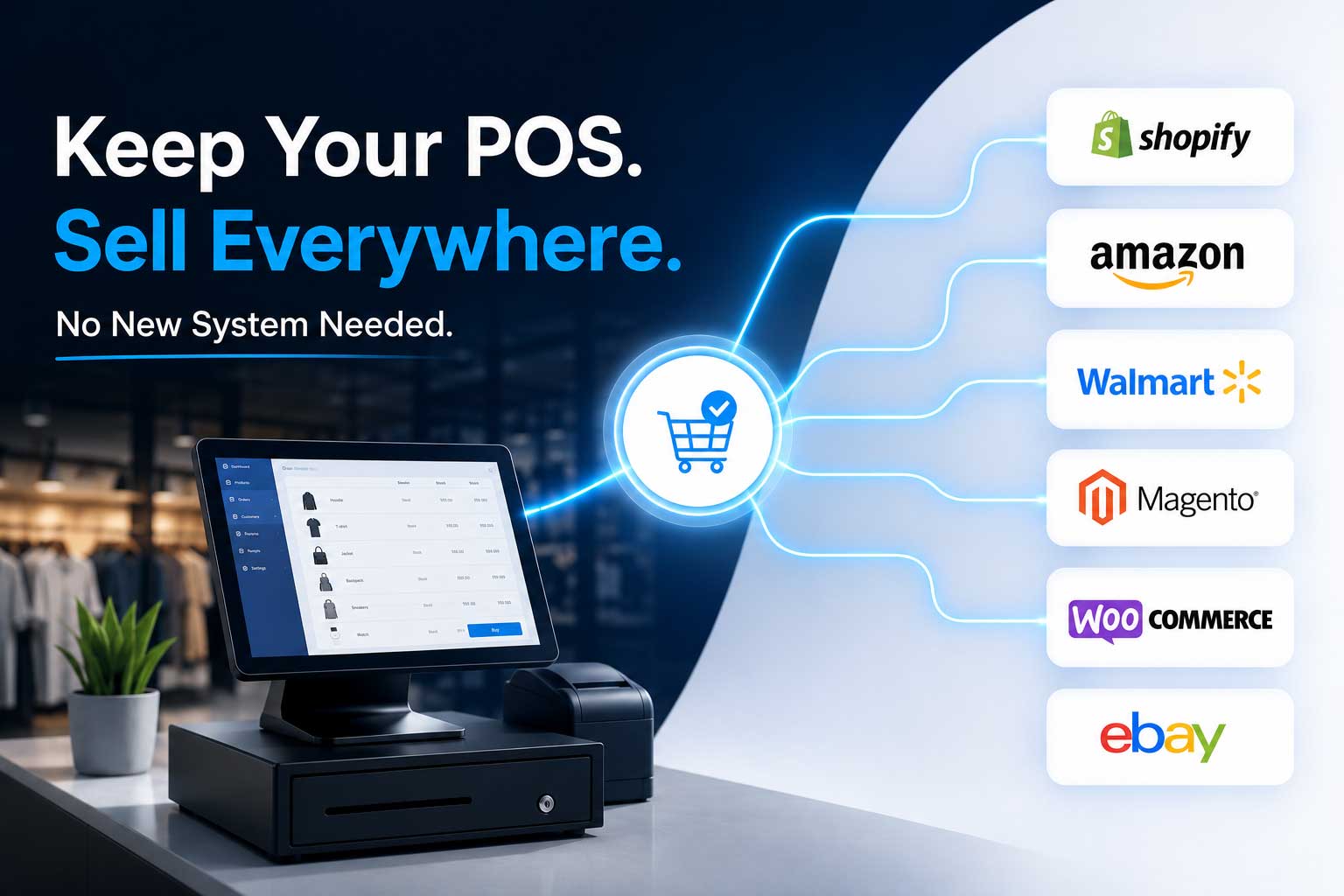
In today’s digital era, businesses are no longer confined to physical stores. The rise of online marketplaces and various sales channels has paved the way for unprecedented growth opportunities, both locally and globally. Integrating your Point of Sale (POS) system with these marketplaces can be a game-changer for your business, unlocking new avenues for expansion and revenue generation. This blog post explores how businesses can leverage POS marketplace integrations to grow their footprint, both in their local communities and around the world.

The Power of POS Integration in Marketplace Expansion
Enhancing Omnichannel Presence
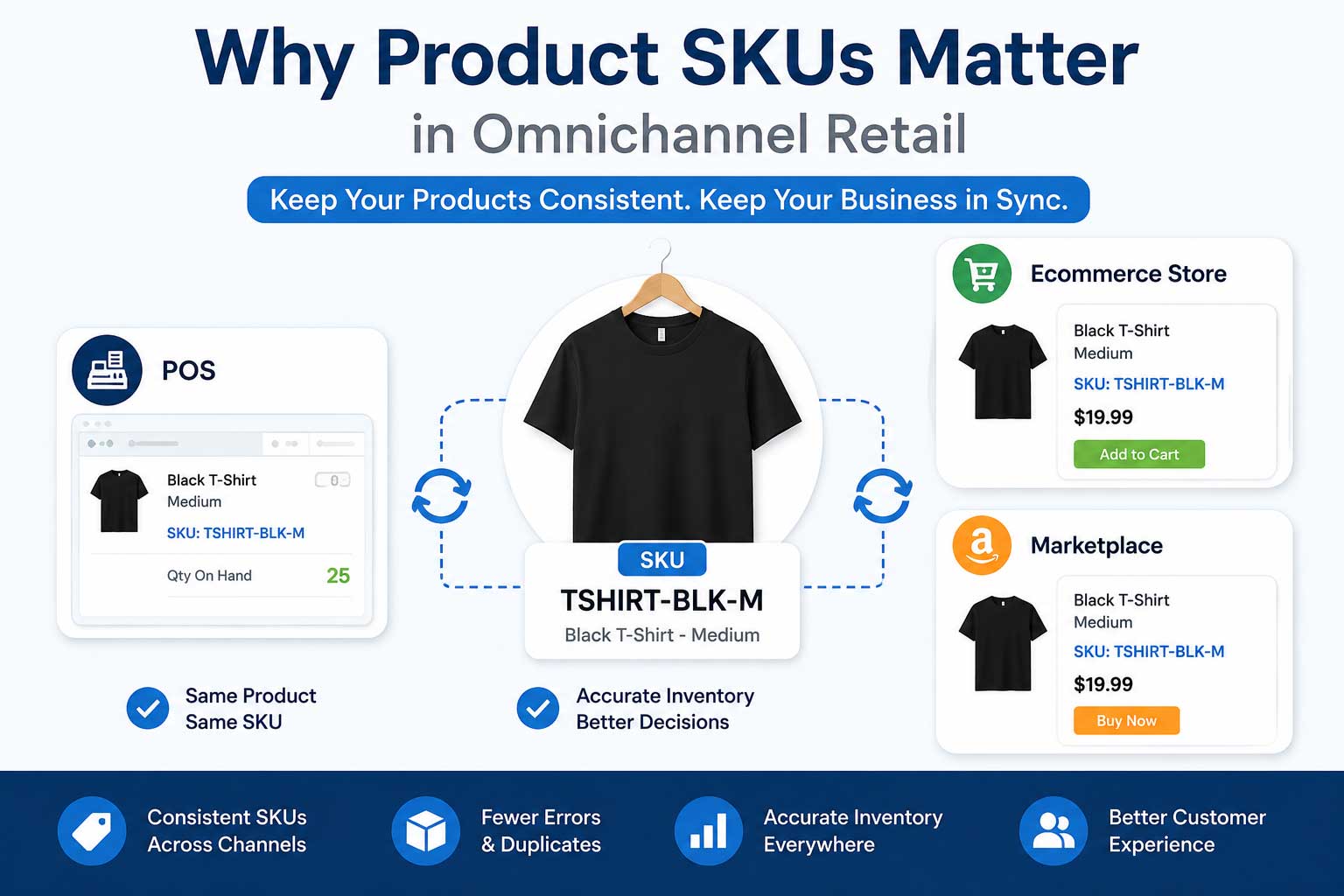
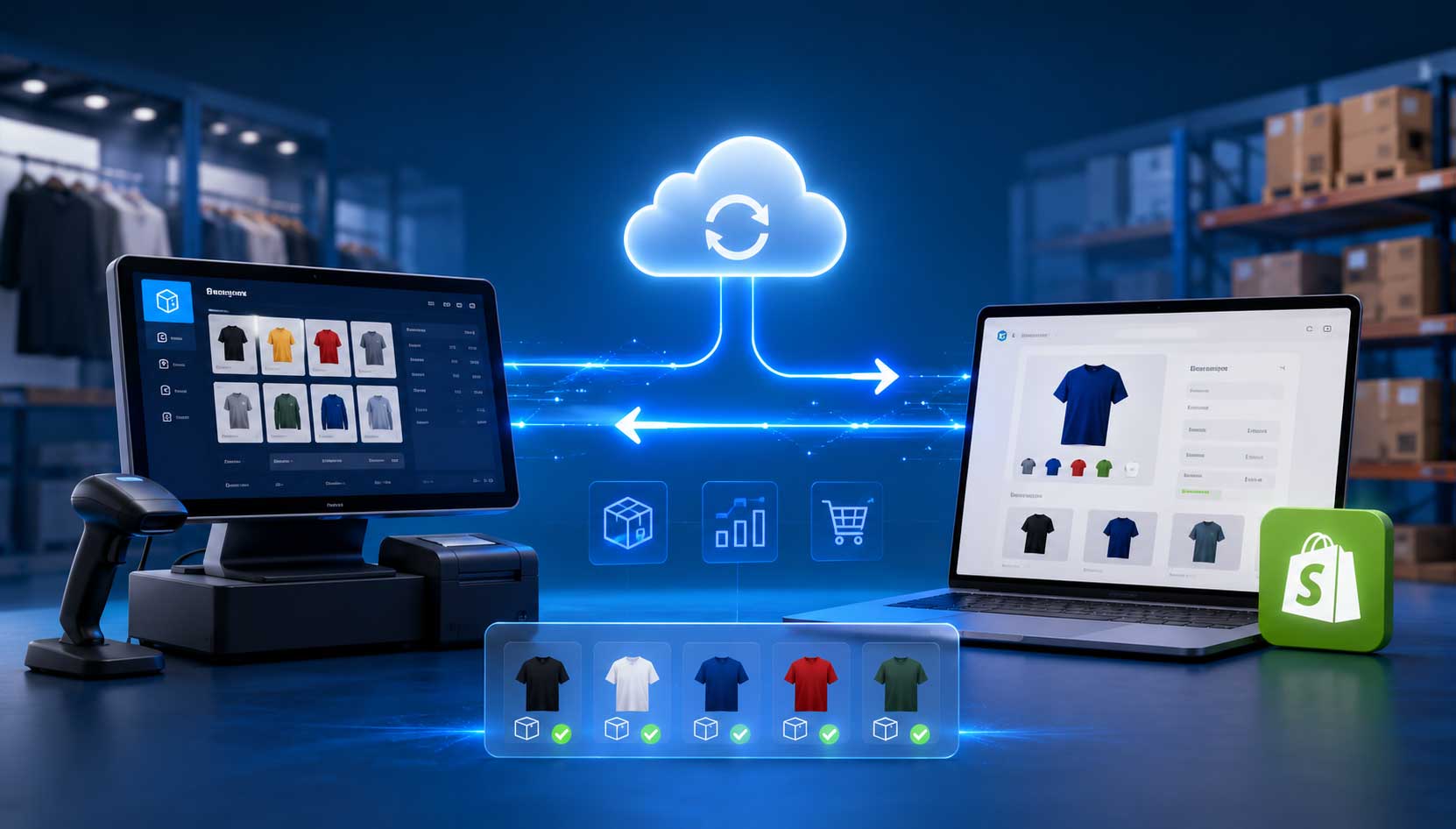
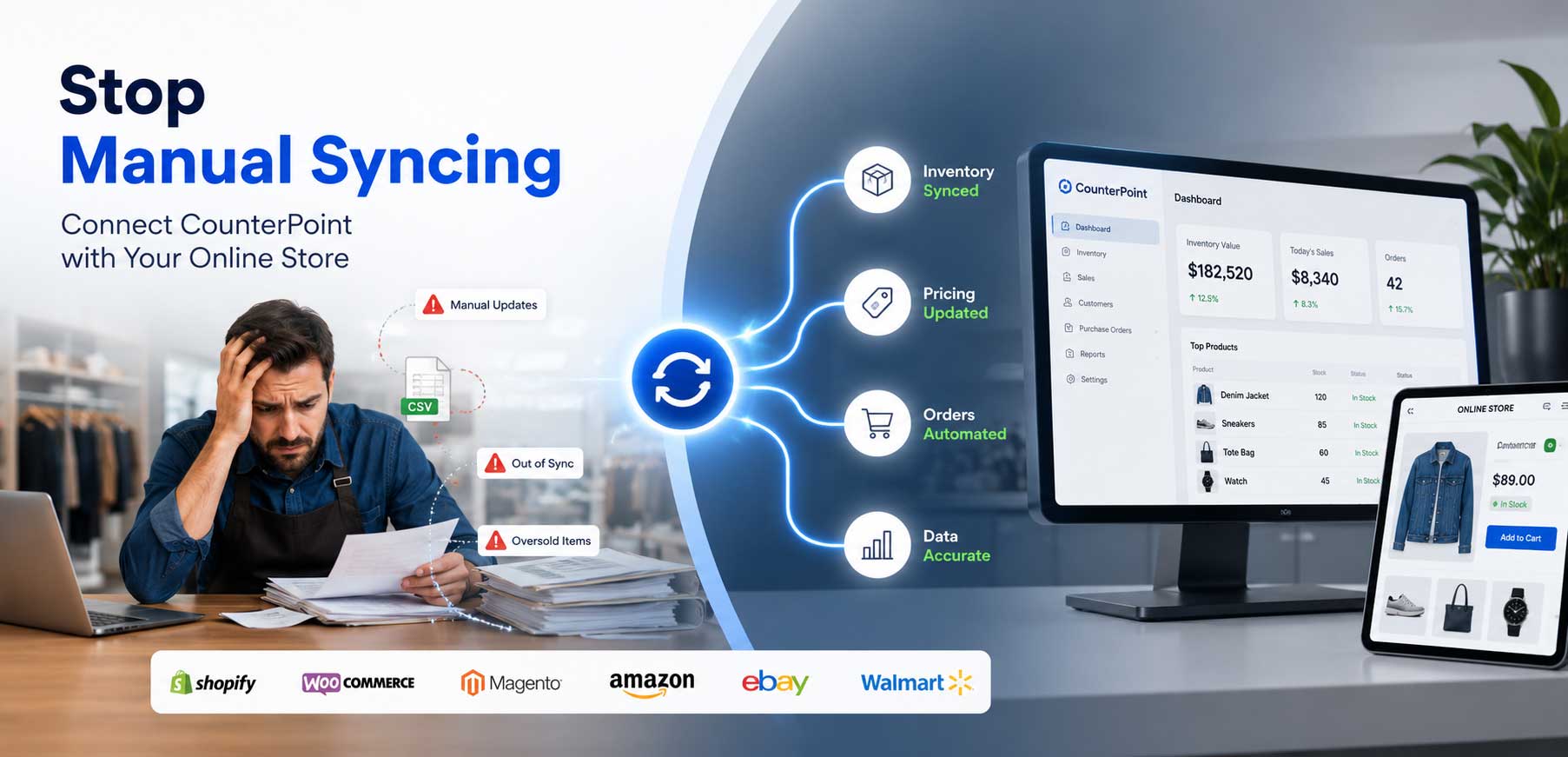
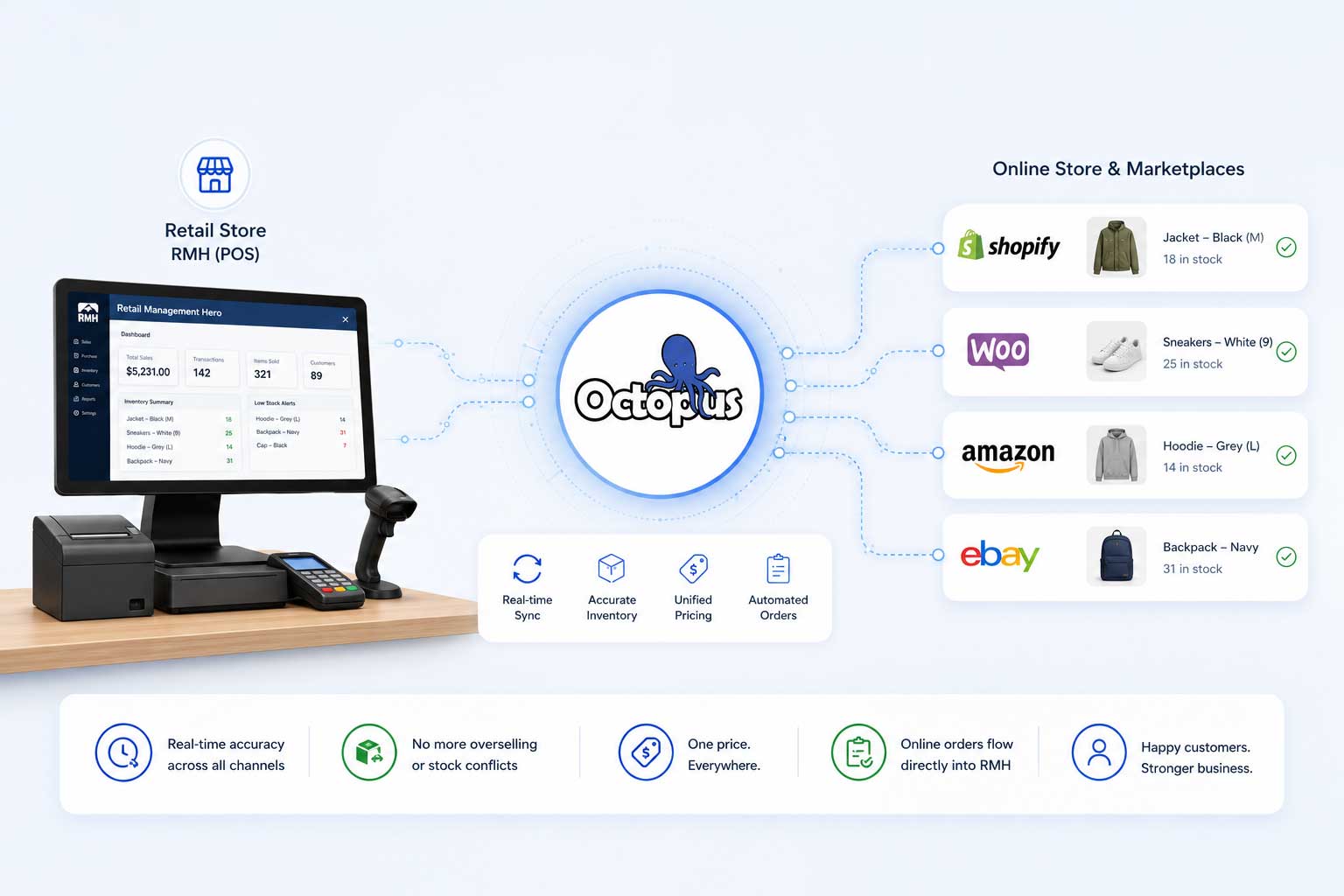
One of the key benefits of POS marketplace integration is the ability to create a seamless omnichannel experience. By synchronizing your online and offline sales channels, you can offer customers a unified shopping experience. Whether they prefer to shop in-store, online, or through social media platforms, integration ensures that your inventory, pricing, and promotions are consistent across all channels.
Streamlining Operations
Integrating your POS system with online marketplaces simplifies operational processes. It automates inventory management, reducing the chances of overselling or stockouts. Sales data synchronization also provides valuable insights into consumer behavior, helping you make informed decisions about product assortments, pricing strategies, and promotional activities.
Expanding Reach
Marketplace integration opens up new markets, both locally and globally. By listing your products on platforms such as Walmart, Amazon, and eBay, you can reach a vast audience beyond your geographical location. This expansion is not just about increasing sales; it’s about building your brand presence on a global scale.
Customizing for Local Markets
While global expansion is lucrative, local marketplaces offer unique growth opportunities. Platforms like Farfetch and Google Local Ads (LIA) cater to specific local tastes and preferences. POS integration allows businesses to customize their offerings for these markets, adhering to local regulations, payment methods, and consumer expectations.
Implementing POS Marketplace Integration
Choosing the Right Platforms
The first step in unlocking marketplace growth is selecting the right platforms for your business. Consider factors such as target audience, product type, and geographic reach. Research where your potential customers are most active and align your marketplace presence accordingly.
Leveraging Technology Partners
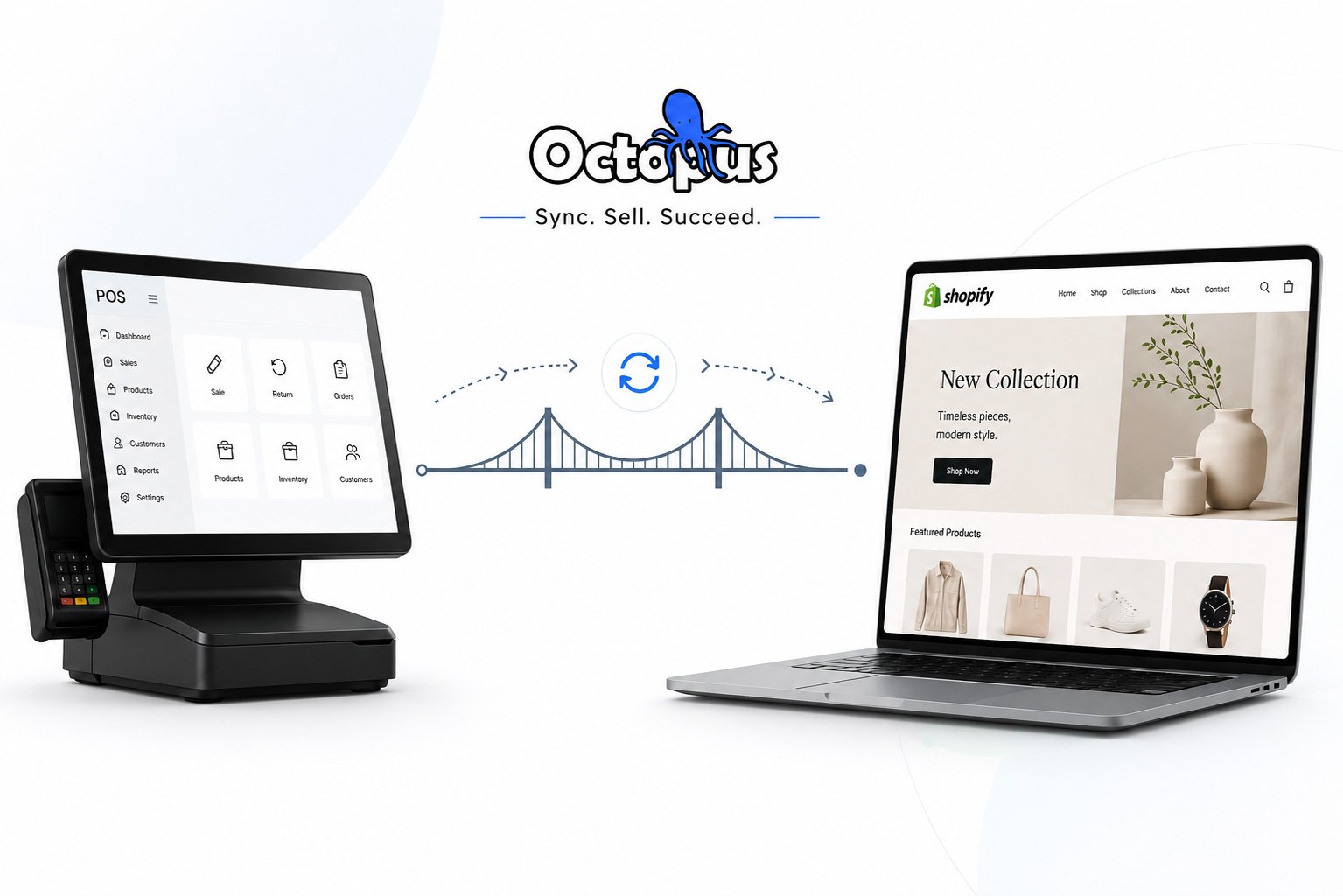
Implementing POS integration can be complex, involving technical challenges related to data synchronization and system compatibility. Leveraging technology partners that specialize in POS marketplace integration can simplify this process. These partners can provide the necessary tools and expertise to ensure a smooth integration, allowing you to focus on your core business activities.
Focusing on Customer Experience
Ultimately, the success of your marketplace expansion depends on the customer experience you deliver. Ensure that your integrated POS system supports efficient order processing, quick shipping, and easy returns. Providing excellent customer service, especially in handling inquiries and resolving issues, will enhance your brand reputation and encourage repeat business.
Conclusion
Integrating your POS system with online marketplaces is a strategic move to unlock growth for your business. It not only streamlines operations but also expands your reach, both locally and globally. By choosing the right platforms, leveraging technology partners, and focusing on customer experience, you can effectively grow your business in today’s competitive digital marketplace. The future of retail is omnichannel, and POS marketplace integration is a crucial step toward achieving success in this new retail landscape.