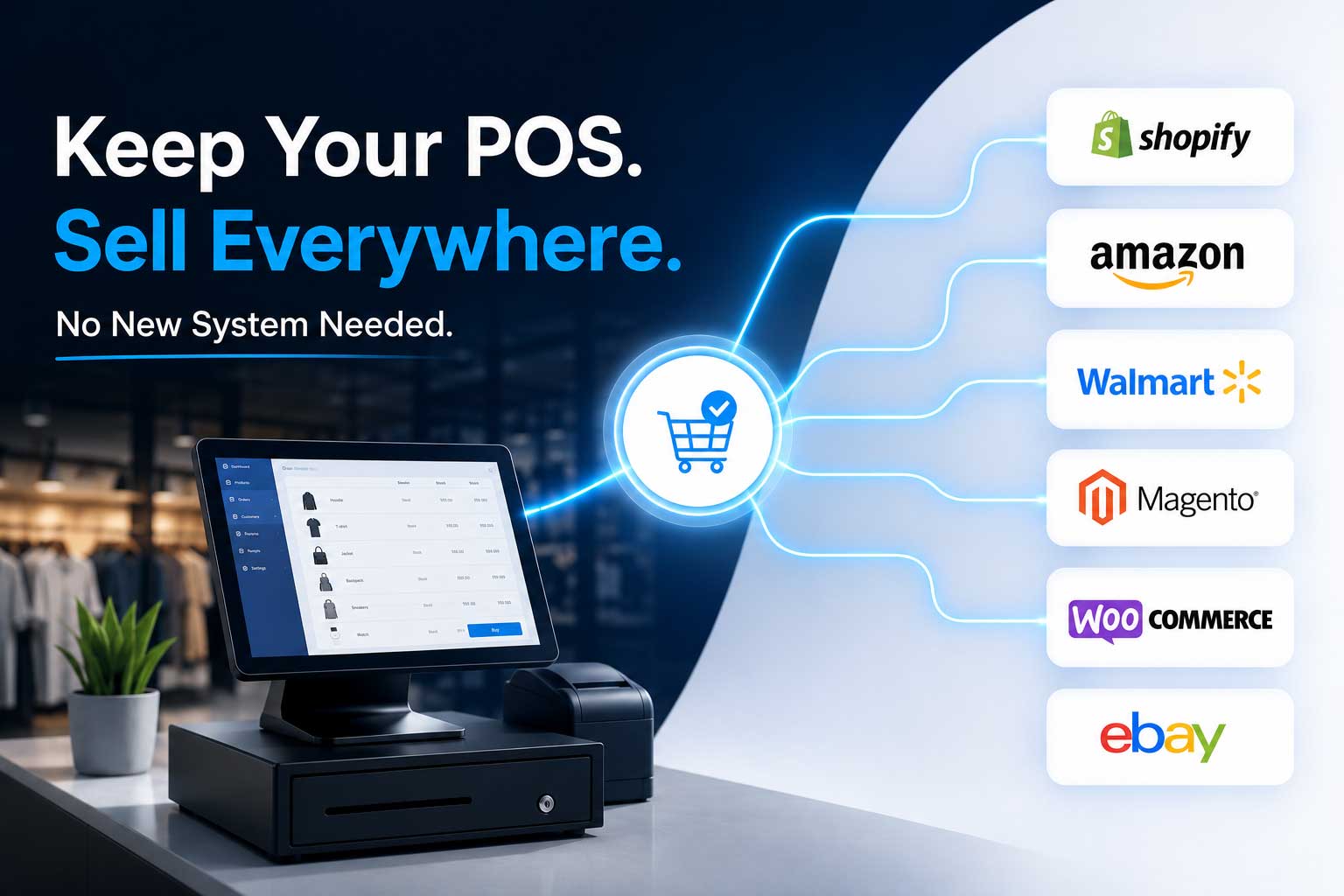
In today’s retail landscape, the lines between physical and online stores are increasingly blurred. Customers no longer see a distinction between shopping in a brick-and-mortar store and making purchases online—they expect a seamless experience across all platforms. This shift has made connectivity between physical and online stores not just a nice-to-have but a critical component of any successful retail strategy. Here’s why this connectivity is so vital.
- Unified Customer Experience
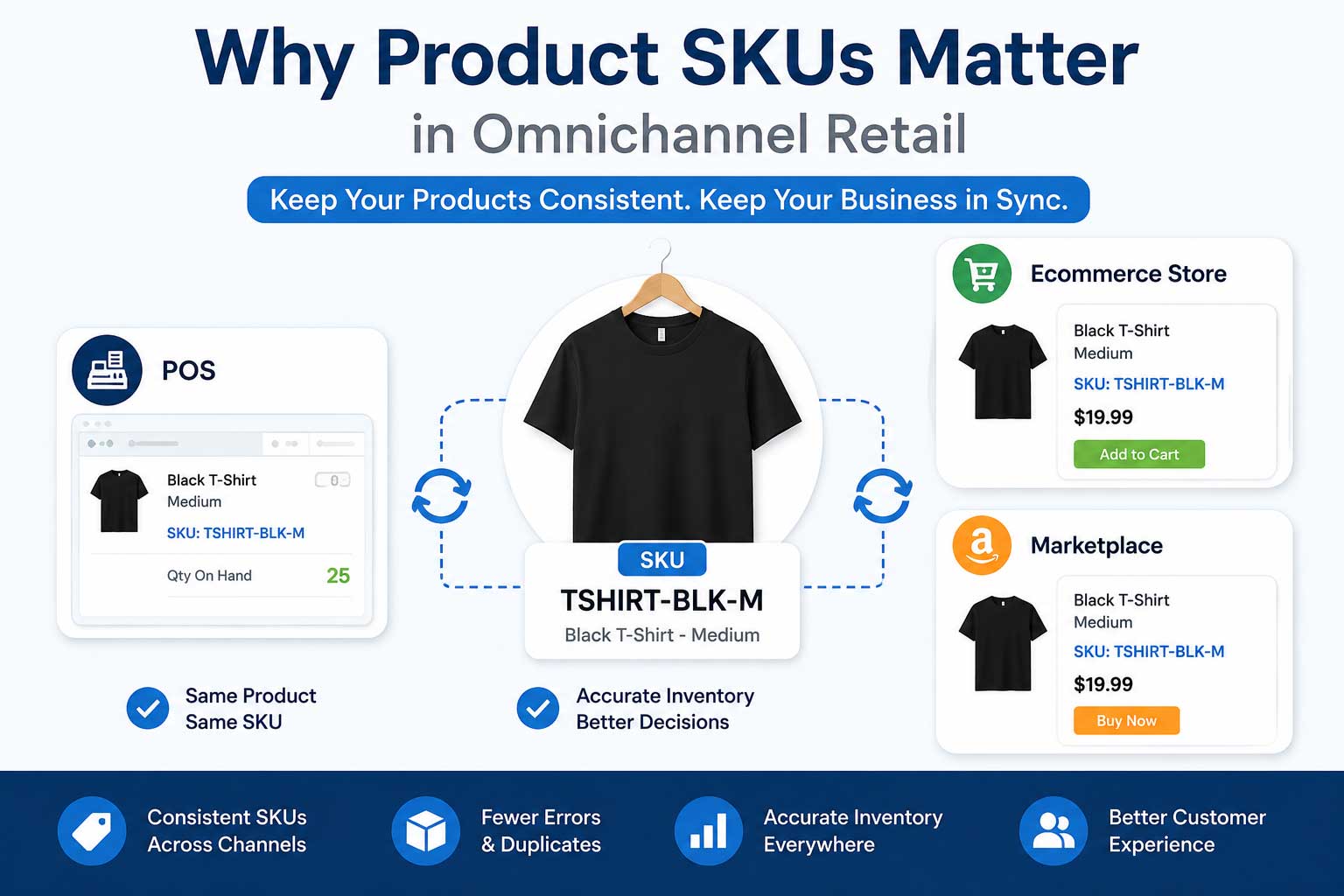
In the modern retail environment, customers demand convenience and consistency. They might browse products online, visit a store to see them in person, and then make the purchase either in-store or online. If these experiences are disjointed, it can lead to frustration and lost sales. Connectivity between physical and online stores allows retailers to offer a unified customer experience. Inventory information, pricing, and promotions can be synchronized across all channels, ensuring that customers receive the same level of service no matter how they choose to shop.
- Inventory Management and Efficiency
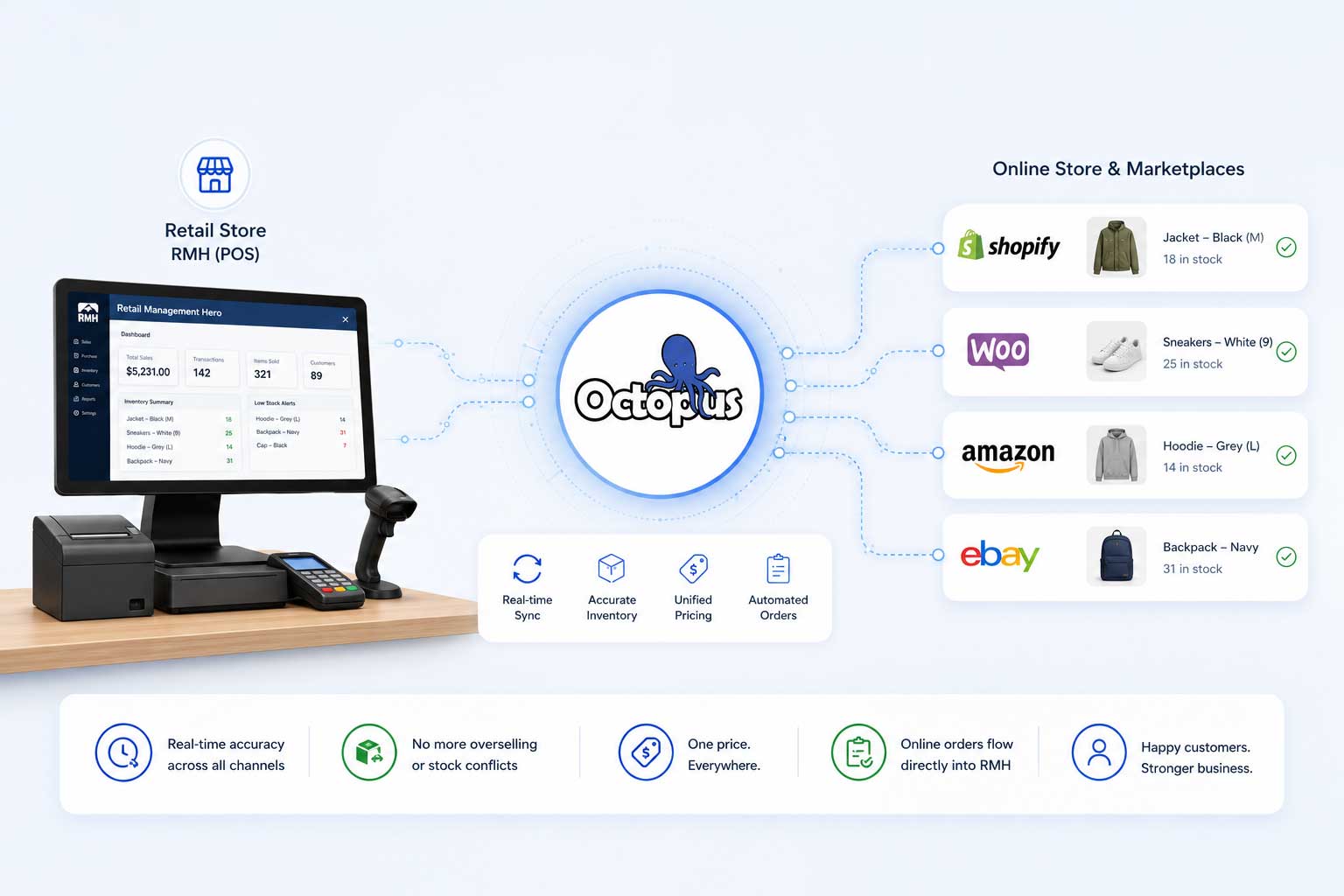
For retailers, maintaining an accurate inventory is crucial. Disconnected systems can lead to issues like overselling, where an online order is placed for an item that is out of stock in the physical store. On the other hand, connectivity allows for near real-time inventory updates across all channels. This ensures that both physical and online stores reflect accurate stock levels, reducing the risk of overselling and enabling efficient restocking processes.
- Improved Data Insights
When physical and online stores are connected, retailers can gain comprehensive insights into customer behavior. For instance, they can track how often a customer who browses online eventually makes an in-store purchase, or vice versa. This holistic view of customer behavior allows retailers to tailor their marketing strategies more effectively, leading to increased sales and customer satisfaction. Data collected across all channels can be analyzed to identify trends, optimize inventory levels, and improve the overall shopping experience.
- Enhanced Customer Loyalty
Customers appreciate a seamless shopping experience that allows them to interact with a brand through multiple channels. When a retailer can recognize a customer across both physical and online stores, it builds trust and loyalty. For example, a customer might appreciate being able to return an online purchase in-store or receive personalized recommendations based on their online browsing history when they visit a physical location. This level of connectivity can significantly enhance customer loyalty and encourage repeat business.
- Flexibility in Fulfillment Options
One of the key benefits of connecting physical and online stores is the ability to offer flexible fulfillment options. Customers increasingly expect options like buy online, pick up in-store (BOPIS), or the ability to have an in-store purchase delivered to their home. These services are only possible when physical and online systems are integrated. By offering these flexible options, retailers can meet customer demands and stand out in a competitive market.
- Operational Cost Savings
Integrating physical and online stores can also lead to significant cost savings. For instance, unified systems can reduce the need for duplicate inventory or administrative tasks, such as manually updating stock levels or processing orders. Automated systems allow for near real-time data synchronization, reducing the likelihood of human error and the associated costs. Additionally, streamlined operations mean that staff can focus on more value-added tasks, such as improving customer service.
- Competitive Advantage
Finally, in an increasingly competitive retail market, connectivity between physical and online stores can provide a significant competitive advantage. Retailers that can offer a seamless, integrated shopping experience are better positioned to meet customer expectations and adapt to changing market trends. This connectivity can also facilitate quicker responses to market demands, such as adjusting prices or launching promotions across all channels simultaneously.
Conclusion
In conclusion, the connectivity between physical and online stores is no longer optional—it’s essential for any retailer aiming to succeed in today’s dynamic market. By ensuring that these channels are seamlessly integrated, retailers can provide a superior customer experience, improve operational efficiency, and ultimately, drive growth and profitability. As consumer expectations continue to evolve, the importance of this connectivity will only increase, making it a key area of focus for forward-thinking retailers.